
The Real Benefits of Artisan Coffee Roasters Explained

Artisan coffee roasters deliver something commercial brands simply cannot: flavor you can trace back to a specific farm, freshness that arrives days after roasting, and a cup that reflects genuine craft at every step. The benefits of artisan coffee roasters go well beyond taste. They touch on ethics, health, community, and the kind of daily ritual that actually makes your morning worth waking up for.
Here’s what sets artisan roasting apart:
- Superior flavor from single-origin and microlot beans that reflect real terroir
- Peak freshness through small-batch roasting and rapid shipping
- Ethical sourcing with direct farmer relationships and fair compensation
- Transparency so you can trace your cup to a specific farm or cooperative
- Health advantages from preserved antioxidants and fewer chemical residues
- Mindful brewing that turns your coffee routine into something worth savoring
- Community impact that supports growers, local economies, and meaningful causes
1. How artisan coffee roasters create exceptional flavor profiles
The flavor difference starts long before the roast. Artisan roasters source single-origin or microlot beans, meaning each bag reflects the specific altitude, soil, and microclimate of one farm or region rather than a blended average of dozens. That’s why a well-sourced Ethiopian natural can taste like blueberries, while a Colombian washed lot delivers clean citrus and caramel.
Commercial blends are engineered for consistency across millions of bags. Artisan roasters do the opposite: they embrace seasonal variation and let the bean’s character lead. The result is flavor notes that genuinely surprise you, including dark chocolate, stone fruit, florals, and nuts, depending on origin and process.
Small-batch roasting also gives the roaster precise control over heat application. Slow, controlled roasting reduces bitterness and avoids the burnt, flat notes common in fast commercial roasting, highlighting natural sweetness and acidity instead. You can explore how heat shapes those outcomes in depth at The Flaming Bean’s guide on roasting and flavor development.
2. Why freshness from artisan roasting makes a real difference
Mass-produced coffee can sit in a warehouse or on a retail shelf for months before you open it. Artisan coffee is roasted in small batches and shipped within days, which means the essential oils and volatile aromatics are still fully intact when the bag reaches you. Those compounds are what give coffee its brightness, complexity, and clean finish.
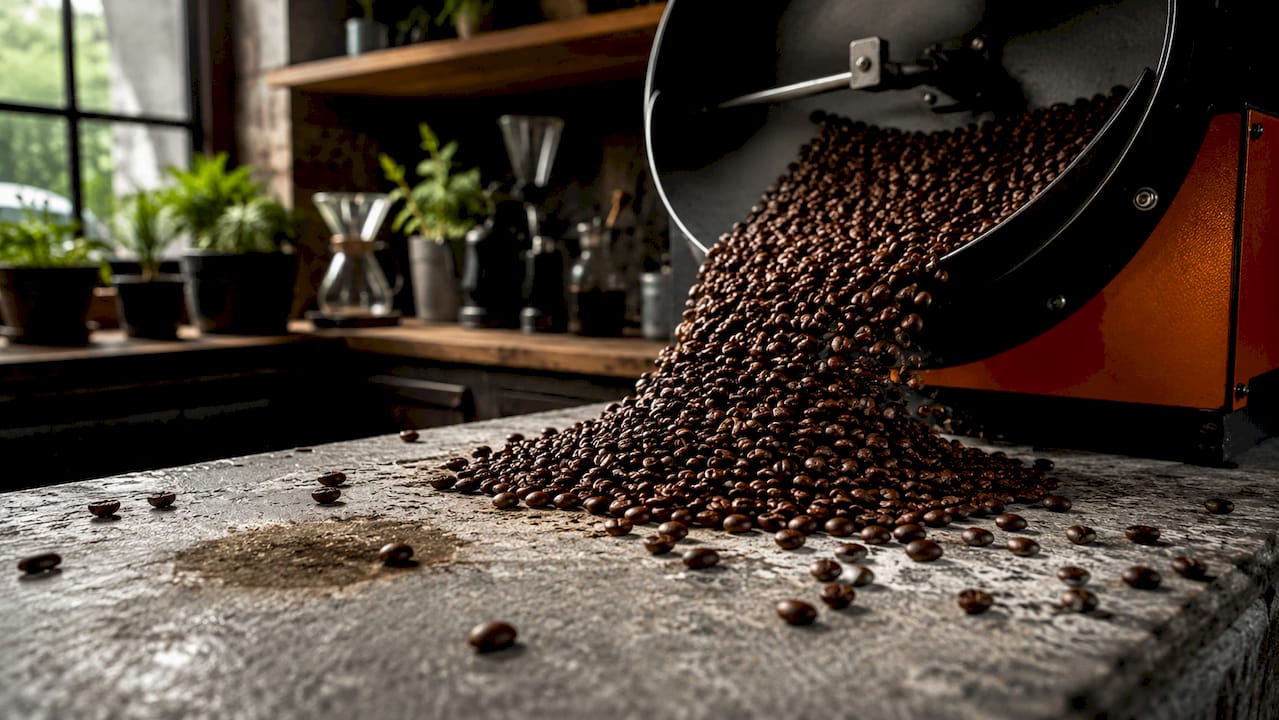
Freshness also affects smoothness. When oils degrade, coffee turns flat and harsh. A bag roasted last week tastes noticeably livelier than one roasted three months ago, even from the same origin. Artisan roasters build their whole model around closing that gap.
Manual quality control during roasting catches defects before they reach your cup. Artisan roasters listen for the first and second crack, monitor color development, and often sort beans by hand. Fewer defects mean more natural sweetness and a cleaner cup overall.
Pro Tip: Check the roast date on any bag before buying. A roast date printed clearly on the packaging is one of the fastest ways to confirm you’re dealing with a genuine artisan roaster.
3. Ethical and sustainable sourcing practices of artisan roasters
Artisan coffee producers build direct relationships with farmers, paying fair prices and promoting environmentally responsible farming. That’s a meaningful contrast to commodity purchasing, where beans pass through multiple brokers and farmers often have no idea where their crop ends up.
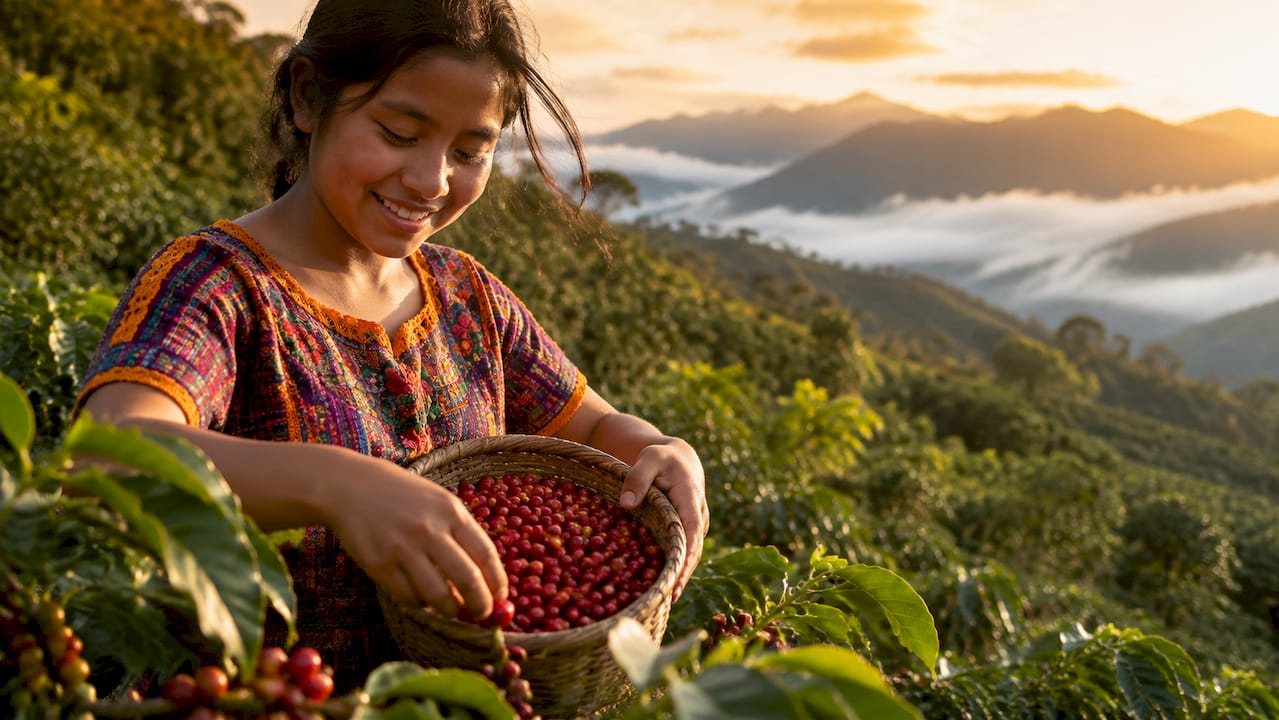
Those direct relationships create real accountability. Farmers who receive fair compensation can invest in better processing equipment, healthier soil practices, and stable wages for their workers. Organic and sustainable farming methods protect local ecosystems and reduce chemical runoff into waterways near growing regions.
Traceability is the thread that holds all of this together. When you can trace your coffee back to a specific farm, variety, and processing method, you know exactly what you’re supporting. Understanding certifications like Fair Trade, Rainforest Alliance, and organic labels helps you read that story accurately. The Flaming Bean’s coffee certification guide breaks down what each label actually means.
4. Unique brew methods and coffee as a mindful daily ritual
Artisan coffee naturally pairs with manual brewing methods because those methods give you control over every variable. Pour-over, Aeropress, Chemex, and French press each extract flavor differently, and choosing one becomes part of the experience itself. The ritual of selecting, grinding, and brewing with care enhances daily grounding and awareness in a way that pressing a button on an automatic machine simply does not.
That mindfulness is not incidental. When you grind whole beans fresh, measure your water temperature, and watch the bloom on a pour-over, you’re fully present for a few minutes. For a lot of people, that quiet focus is the best part of the morning.
Artisan roasters encourage this by offering whole bean coffee roasted to highlight specific brew methods. A light roast optimized for pour-over will taste completely different from a medium roast dialed in for espresso, and a good roaster will tell you exactly which approach suits each bag.
5. Health benefits linked to artisan and freshly roasted coffee
Light and slow roasting preserves higher levels of chlorogenic acid and antioxidants compared to fast, high-heat commercial roasting. Light roast coffees retain more of these compounds, which protect cells from oxidative damage. Artisan roasters frequently favor these lighter, more controlled profiles precisely because they highlight both flavor and these healthful compounds.
Organic and sustainably sourced beans also carry fewer chemical residues. When farmers avoid synthetic pesticides and herbicides, those substances don’t end up in your cup. That’s a straightforward health benefit that comes directly from the ethical sourcing practices artisan roasters prioritize.
Freshly roasted beans also retain more volatile aromatic compounds. Those compounds contribute to the sensory experience, but they’re also part of what makes a cup feel satisfying and complete rather than flat and harsh. Pairing fresh artisan coffee with a chocolate coffee treat can amplify those flavor notes in genuinely enjoyable ways.
6. Artisan coffee as an experience, not just a beverage
Artisan coffee connects you to something larger than your morning cup. When you know the farm, the farmer, the processing method, and the roast date, drinking that coffee becomes an act of appreciation rather than just a caffeine delivery system. That sense of connection is part of why coffee brings people together in ways that instant or commodity brews rarely do.
Transparency is the foundation of that experience. Artisan roasters who publish origin details, roast dates, and tasting notes are inviting you into the full story of the cup. That openness builds trust and makes every bag feel like a conversation rather than a transaction.
Pro Tip: When evaluating an artisan roaster, ask three questions: Can they name the farm or cooperative? Do they list a roast date? Do they offer seasonal or rotating single-origin options? Three “yes” answers mean you’ve found the real thing.
The Flaming Bean’s Evening Roast and Angry Rooster are built on exactly this philosophy: carefully selected origins, small-batch roasting, and a clear story behind every bag. And blends like Safe Ground go a step further, channeling the purchase toward organizations protecting vulnerable communities. Great coffee and meaningful impact, in the same cup.
Key Takeaways
Artisan coffee roasters consistently outperform commercial alternatives on flavor, freshness, ethics, and health because their entire model prioritizes craft and traceability over volume and speed.
| Point | Details |
|---|---|
| Flavor from terroir | Single-origin and microlot sourcing produces complex notes like fruit, chocolate, and florals that commercial blends cannot replicate. |
| Freshness matters | Small-batch roasting and rapid shipping preserve essential oils and aromatics for a brighter, smoother cup. |
| Ethical sourcing | Direct farmer relationships ensure fair pay, sustainable farming, and full traceability from farm to bag. |
| Health advantages | Slow, lighter roasting retains more chlorogenic acid and antioxidants compared to fast commercial roasting. |
| Mindful ritual | Manual brewing methods like pour-over and Aeropress turn your daily coffee into a grounding, intentional practice. |
Recommended
- What Does Co-Roasting Mean for Coffee Brands? – The Flaming Bean Roastery
- How to Evaluate Coffee Roaster Quality Like a Pro – The Flaming Bean Roastery
- Benefits of Whole Bean Coffee: Flavor, Health & More – The Flaming Bean Roastery
- Why Coffee Roast Date Matters for Peak Flavor – The Flaming Bean Roastery
Comments