
Why Coffee Brings People Together

Coffee is the most widely shared social ritual on earth, and the reason why coffee brings people together goes far deeper than a shared caffeine habit. The sensory pull of fresh coffee, the brief pause of ordering, and the warmth of a well-designed café all work together to lower social barriers and open people up to genuine conversation. At The Flaming Bean, this belief sits at the center of every roast we craft. Coffee culture and connection are inseparable, and the science and sociology behind that bond are worth understanding.
Why coffee brings people together: the ritual and the senses
Coffee’s power as a social connector starts before the first sip. Coffee aroma and ambiance draw people into shared experiences by stimulating comfort and a welcoming mood. That sensory signal tells your brain you are in a safe, relaxed place, which makes you more open to talking with strangers.
The ritual of ordering, waiting, and receiving a cup acts as a social lubricant in its own right. Research shows the 3–5 minute wait between ordering and receiving coffee creates a liminal space unlike the anchored seating of a bar. That brief window is low pressure, unscripted, and perfect for a quick exchange that can turn into something more.
Baristas play a bigger role in this than most people realize. The barista serves as a social moderator who initiates friendly conversation about coffee origins and brewing techniques, lowering barriers between strangers. A single question about a single-origin Ethiopian bean can spark a ten-minute conversation between two people who would never have spoken otherwise.
- Coffee aroma signals safety and comfort before a word is spoken.
- The ordering ritual gives strangers a shared, low-stakes experience.
- The wait window creates natural, pressure-free interaction time.
- Baristas act as conversation starters and social bridges.
Pro Tip: Choose a café with an open counter and visible brewing equipment. Watching the process gives you and the person next to you an instant shared focus and an easy conversation starter.
How café design shapes community and coffee culture
Physical space is not neutral. The way a café arranges its furniture directly determines whether people interact or stay isolated. Communal long tables are an intentional architectural choice to encourage proximity and spontaneous social interaction. Espy Cafe in Ann Arbor built its entire layout around this principle, using long picnic tables and flexible open areas to support neighborhood events and creative gatherings.
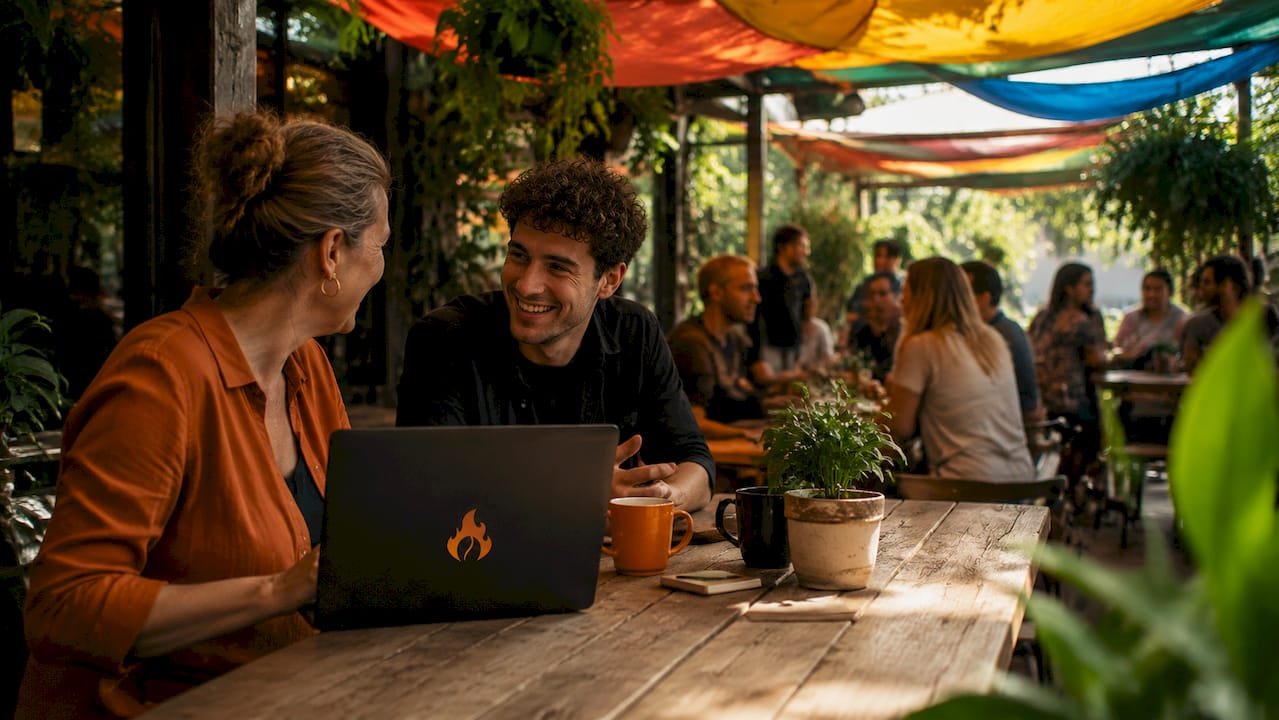
Research on physical proximity in coffee shops confirms that sitting close to someone creates what researchers call conceptual proximity. That closeness makes civil dialogue easier, even on topics where people disagree. The coffee shop becomes a neutral arena where diverse groups can share ideas without the charged atmosphere of a political meeting or the noise of a bar.
| Seating layout | Social impact |
|---|---|
| Small individual tables | Encourages private conversation, limits stranger interaction |
| Long communal tables | Promotes spontaneous exchange and shared experience |
| Flexible open floor plans | Supports group events, workshops, and community programming |
| Counter seating facing baristas | Facilitates one-on-one dialogue with staff and nearby guests |
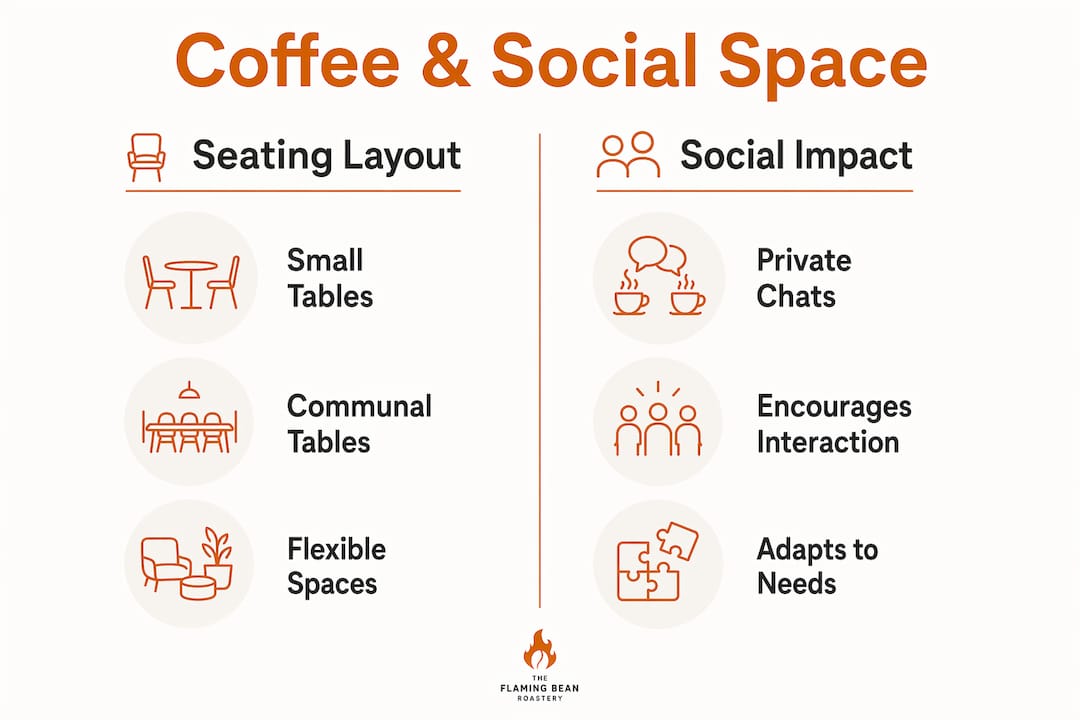
Spaces designed for flexibility matter because different social needs show up at different times of day. A morning crowd wants quiet focus with occasional brief exchanges. An afternoon crowd wants longer, more relaxed conversations. Cafés that accommodate both with movable furniture and varied seating zones serve the full spectrum of community and coffee culture.
Does coffee actually make you better at socializing?
Coffee does more than warm your hands. It increases cognitive clarity, which means you are more alert, more articulate, and more engaged during a conversation. That state is very different from what alcohol produces. Coffee encourages strategic networking at peak cognitive clarity, while alcohol lowers inhibitions indiscriminately and often derails productive exchange.
This distinction matters for how coffee gatherings function socially. When you meet someone for coffee, both of you are operating at your sharpest. You remember the conversation. You follow up on ideas. You build something real rather than something you half-remember the next morning.
Sociologists use the term “third space” to describe environments that are neither home nor work but serve as neutral social ground. Coffee shops are the defining third space of modern life. Coffee shops as third spaces encourage diverse social interaction and networking by providing a common-ground environment with no agenda attached.
- Coffee increases alertness, making conversations more focused and memorable.
- The neutral setting removes the social hierarchies of office or home environments.
- The shared ritual of ordering creates an immediate common experience.
- Cognitive clarity supports follow-through, turning casual meetings into lasting connections.
- The third-space dynamic welcomes people from different backgrounds without a formal invitation.
Community initiatives using coffee to fight isolation
The most compelling proof of coffee’s social power shows up in deliberate community programs. Monarch Community Cafe in Rogers Park, Chicago, launched in 2026 by handing out 5,000 free cups of coffee to a neighborhood of 50,000 residents. That is a 1-in-10 reach on day one. The goal was simple: get people into a shared space and let the coffee do the rest.
In Gateshead, England, the Coffee Connector program launched weekly meetups in 2026 combining free drinks and social activities like arts and crafts to reduce social isolation. Participants reported genuine improvements in their sense of belonging and mental well-being. The coffee was the draw, but the connection was the outcome.
These programs work because they remove the two biggest barriers to socializing: cost and awkwardness. Free coffee lowers the financial barrier. A shared activity lowers the social one. Together, they create the conditions where coffee and friendship can grow naturally.
- Free coffee events remove financial barriers to community participation.
- Paired activities like art or music give attendees a shared focus beyond the drink.
- Weekly consistency builds familiarity, which deepens connection over time.
- Neighborhood cafés that host events become anchors for local identity.
Pro Tip: When organizing a coffee-centered community event, keep the format loose. A structured agenda kills the spontaneity that makes coffee gatherings work. Set out the cups, start the conversation, and let people find their own rhythm.
Key takeaways
Coffee builds lasting social bonds because it combines sensory comfort, cognitive clarity, and neutral shared space in a way no other social ritual does.
| Point | Details |
|---|---|
| Sensory ritual lowers barriers | Coffee’s aroma and the ordering process make strangers more open to interaction. |
| Café design drives connection | Communal tables and flexible layouts create the physical conditions for spontaneous conversation. |
| Cognitive clarity deepens bonds | Coffee sharpens focus, making meetings more productive and relationships more memorable. |
| Third-space neutrality matters | Coffee shops remove social hierarchies, welcoming diverse groups on equal footing. |
| Community programs prove impact | Initiatives like Monarch and Coffee Connector show that free coffee events measurably reduce isolation. |
Coffee, community, and what I’ve actually seen work
Coffee’s social role is real, but it is also easy to romanticize. I’ve watched plenty of beautifully designed cafés fail to generate any real community because the owners treated design as decoration rather than function. A long communal table only works if the staff actively use it as a gathering point. The architecture sets the stage. The people running the space determine whether anything actually happens on it.
What I find genuinely interesting about the 2026 community café trend is how deliberately these spaces are being built around social outcomes rather than revenue per square foot. Monarch and Espy are not accidents. They are the result of operators asking a different question: not “how do we sell more coffee?” but “how do we make this neighborhood better?” That shift in intent changes everything about how a space feels to walk into.
The digital-community crossover is worth watching too. Coffee brands that build lasting community online are finding that their most engaged customers are the ones who also show up in person. The online conversation and the in-person gathering reinforce each other. Coffee is one of the few products where that loop closes naturally, because the experience of drinking it is inherently social and shareable.
The emotional benefit of coffee gatherings is underrated in most conversations about mental health. Sitting across from someone with a warm cup in your hands is one of the simplest, most accessible forms of human connection available. You do not need a program or a café with a mission statement. You just need good coffee and a willingness to show up.
— Tony
The Flaming Bean’s blends for your best social moments
Great coffee makes every gathering better. The Flaming Bean crafts each roast to support exactly the kind of moments this article is about.
The Evening Roast is built for relaxed, unhurried conversation. It is smooth, approachable, and low in bitterness, which makes it the right choice when you want people to linger rather than rush. Whether you are hosting a neighborhood get-together or a quiet catch-up with a friend, Evening Roast sets the right tone. The Flaming Bean also offers signature blends that carry a purpose beyond flavor, supporting community organizations through every bag sold. Good coffee and meaningful connection belong together.
FAQ
Why do people meet for coffee specifically?
Coffee shops provide a neutral, low-pressure environment that makes social interaction easier. The shared ritual of ordering and the cognitive clarity coffee provides make conversations more focused and memorable than meetings in other settings.
What is a “third space” in coffee culture?
A third space is any environment that is neither home nor work. Coffee shops are the most common third space in modern life because they welcome diverse groups without a formal agenda or social hierarchy.
How does café design affect social connection?
Communal seating layouts like long tables and open floor plans physically encourage proximity, which research links to more spontaneous conversation and civil dialogue between strangers.
Can coffee events actually reduce social isolation?
Yes. Programs like Gateshead’s Coffee Connector and Chicago’s Monarch Community Cafe show that regular, free coffee events with paired activities measurably improve participants’ sense of belonging and well-being.
What makes coffee better than alcohol for networking?
Coffee promotes cognitive clarity and alertness, which supports focused, memorable conversations. Alcohol lowers inhibitions broadly and often undermines the quality and follow-through of professional or personal connections.
Comments