
Build a Coffee Brand Community That Lasts

A coffee brand community is defined as a loyal group of customers and advocates who engage with your brand beyond the transaction, returning not just for the product but for the shared identity and values it represents. The Flaming Bean was built on exactly this principle. To build a coffee brand community that sustains itself, you need three things working together: consistent content, authentic storytelling, and a direct relationship with your customers. This guide breaks down each element with real examples, proven frameworks, and the honest lessons that separate brands with staying power from those that fade after a few good months.
What does it take to build a coffee brand community?
The foundation of any strong coffee brand community is a clear identity. Before you post a single photo or write a single caption, you need to know what your brand stands for and who it speaks to. Premium coffee positioning requires alignment across exclusivity, craftsmanship, innovation, and social impact. Price alone does not make a brand premium. Brands that skip this alignment often fail despite charging more than competitors.
Your two most important starting tools are Instagram and TikTok. Instagram rewards beautiful, consistent visuals and community interaction. TikTok rewards authenticity and personality. Both platforms favor brands that show up regularly and engage genuinely, not brands that post sporadically and disappear.
Here is a quick overview of what you need before you start:
- Brand story: A clear, written narrative about why your brand exists and who it serves
- Visual identity: A consistent color palette, typography, and photo style
- Content calendar: A weekly posting schedule with defined content themes
- Engagement time: At least 15 minutes daily for responding to comments and interacting with community accounts
- Founder or brand voice: A real person or consistent persona behind the content
Pro Tip: Use scheduling tools like Later or Buffer to batch your content creation. Posting consistently matters more than posting perfectly.
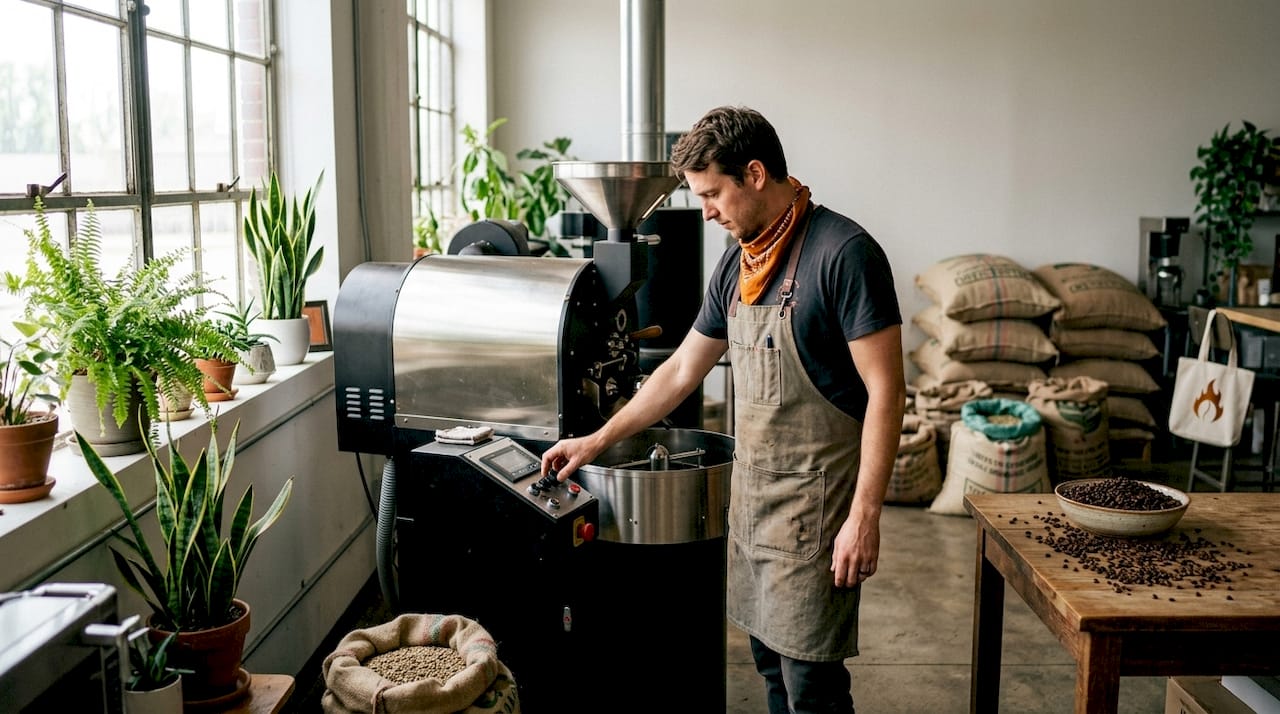
The craftsmanship behind your coffee is a story worth telling. Your sourcing regions, roasting process, and flavor decisions are all content. Most brands ignore this and treat their feed like a product catalog. That is the first mistake.
How do you grow your coffee brand on social media organically?
Organic growth on social media is not random. It follows a repeatable structure. A Brooklyn café grew to 10,200 followers in 90 days without paid ads by using three pillars: consistent posting, intentional visual branding, and daily active engagement. That result shows what structure and discipline produce when applied to a clear community goal.
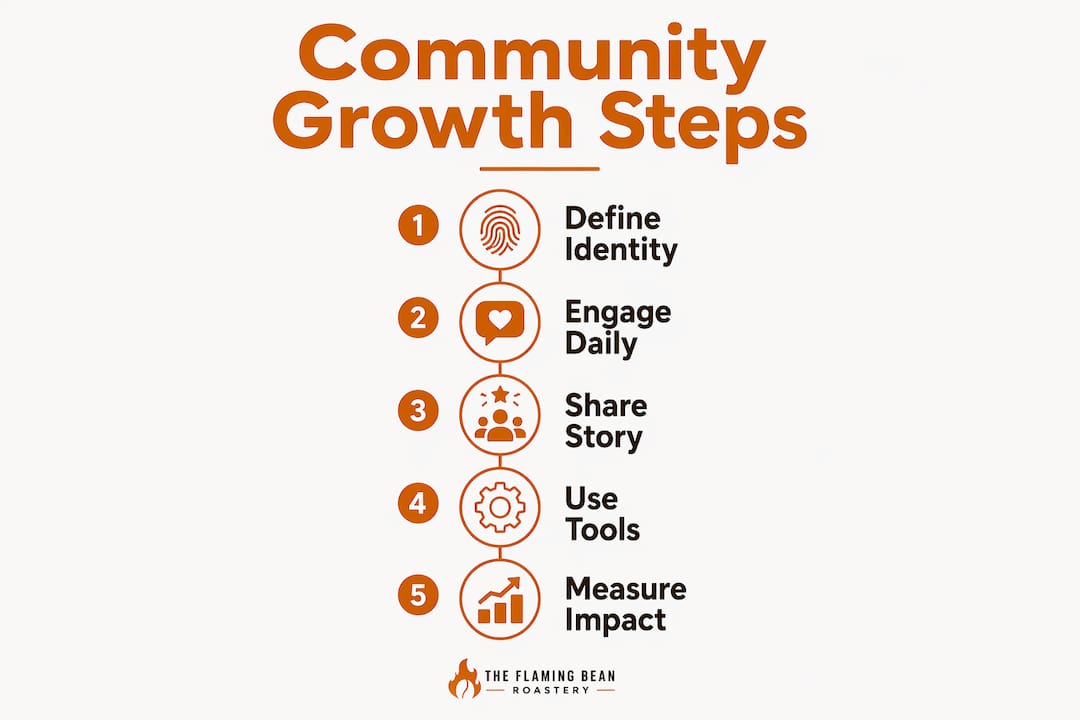
The café also completed six local collaborations that reached approximately 24,000 local followers. Collaboration multiplies your reach without multiplying your budget. Partnering with local food accounts, neighborhood businesses, or aligned lifestyle brands puts your content in front of audiences who are already primed to care about what you do.
A weekly content framework prevents audience fatigue and keeps your feed purposeful. Here is a simple structure that works:
- Monday: Educational content. Explain a brewing method, a roast origin, or a flavor profile.
- Wednesday: Product focus. Highlight a specific blend, its story, and what makes it worth trying.
- Friday: Social proof. Share a customer review, a community photo, or a behind-the-scenes moment.
- Daily: Engage with comments, reply to messages, and interact with five to ten community accounts each morning.
Pro Tip: Post latte art and brew photos between 7 and 8 AM. Morning timing drives immediate foot traffic and purchase intent better than any viral strategy.
Chasing viral content is a trap. The brands that grow steadily are the ones that show up every day with content that matches what their audience is already thinking about at that moment.
How does founder storytelling reduce marketing costs?
Founder storytelling is the most cost-effective content strategy available to a coffee brand. Nguyen Coffee Supply switched from high-budget agency content to raw, founder-narrated short-form video and cut their Customer Acquisition Cost from $41 to $25. That is a 39% reduction. Organic content also grew their acquisition share from 6% to 18%. Those numbers prove that authenticity converts better than production value.
The system behind this is called narrative scaffolding. Here is how it works in practice:
- Anchor content: Record one long-form founder interview or conversation monthly. This becomes the source material for everything else.
- Community echo content: Repurpose customer stories, reviews, and shared moments that reflect your brand values back to your audience.
- Reactive surface content: Respond to trending topics or community questions with short, unscripted clips that show your brand’s personality.
Nguyen Coffee Supply’s approach shows that 60–80 short-form assets can come from a single monthly recording session. Only 15–20 of those clips require the founder on camera. The rest come from repurposed footage or user-generated content. This model scales without burning out the person at the center of the brand.
“The founder’s voice is the brand’s most credible asset. When customers hear the real story behind the coffee, they stop being buyers and start being believers.”
Pro Tip: Record your monthly anchor interview in one sitting, then hand the raw footage to an editor. You get a month of content from two hours of your time.
User-generated content tied to your brand’s heritage and values also builds trust in a way that polished ads cannot. When your customers share their morning cup and tag your brand, that is social proof that no marketing budget can replicate.
DTC vs. wholesale: which model builds a stronger community?
Direct-to-consumer (DTC) is not just a sales channel. It is the heartbeat of a sustainable coffee brand community. Between 50% and 64% of independent coffee shops fail within their first five years. The brands that survive report that 80% of their business comes from direct customer relationships. Wholesale can supplement revenue, but it cannot replace the community connection that DTC creates.
Here is a clear comparison of both approaches:
| Factor | Wholesale | Direct-to-Consumer |
|---|---|---|
| Customer relationship | Indirect, through retailer | Direct, personal, and ongoing |
| Brand control | Limited by retailer presentation | Full control over story and experience |
| Community building | Minimal feedback loop | Real-time engagement and loyalty |
| Revenue stability | Dependent on retailer orders | Subscription and repeat purchase potential |
| Transparency opportunity | Low | High: share roasting, sourcing, and impact |
Operational transparency builds consumer trust and brand differentiation. Sharing your roasting process, your sourcing decisions, and your social impact initiatives gives your community something to believe in beyond the cup. The Flaming Bean does this through purpose-driven blends like Safe Ground and Mission Fuel, which connect purchases directly to causes that matter. That kind of transparency turns customers into advocates.
If you are exploring how to manage remote roaster relationships as part of a DTC model, the logistics are more manageable than most brand builders expect.
Common mistakes that stall coffee brand community growth
The most common mistake is treating community building as a marketing task rather than a brand function. When it becomes a checkbox, the content feels hollow and the engagement drops. Here is what actually stalls growth and how to fix it:
- Inconsistent posting: Gaps in your schedule signal to your audience and the algorithm that you are not reliable. Batch content weekly to stay ahead.
- Ignoring negative feedback: One unaddressed complaint in your comments can undermine weeks of goodwill. Respond quickly, honestly, and without defensiveness.
- Expecting fast results: Organic community growth takes three to six months before it compounds. Set 90-day milestones, not 30-day expectations.
- Over-relying on the founder: If the brand cannot function when the founder is offline, it is not a community. It is a personality account. Build systems that distribute the voice.
- Skipping product collaboration: Your community is a testing ground. Real-time feedback from your audience shapes better products. Impulse Coffees used Instagram community input to introduce smaller sachet formats that reduced the barrier for new customers.
Pro Tip: Run a monthly poll or question sticker on Instagram Stories asking your community what they want next. Use those answers to guide your next product or content decision.
Viral content is not the goal. Steady, compounding engagement is. A post that reaches 500 loyal customers is worth more than one that reaches 50,000 strangers who never come back.
Key takeaways
Building a coffee brand community requires consistent content, authentic founder storytelling, and a direct customer relationship that compounds over time.
| Point | Details |
|---|---|
| Start with brand identity | Define your story, values, and visual style before posting anything. |
| Use a weekly content cycle | Rotate education, product, and social proof content to prevent audience fatigue. |
| Let the founder lead content | Raw, authentic founder video cuts acquisition costs and builds trust faster than polished ads. |
| Prioritize DTC over wholesale | Direct customer relationships create the feedback loops that sustain community growth. |
| Treat community as a product lab | Use real-time audience feedback to shape new offerings and packaging decisions. |
What i’ve learned about building coffee communities that actually stick
I have watched a lot of coffee brands pour energy into follower counts and walk away frustrated when those numbers do not translate into sales or loyalty. The brands that get it right are not the ones with the biggest audiences. They are the ones with the most consistent presence and the clearest sense of who they are talking to.
The Flaming Bean gets this right because the brand was built around a belief, not a product line. Blends like Abyssal and Angry Rooster are not just coffees. They are expressions of a specific personality and a specific community. That is what makes people come back.
My honest advice: stop measuring success by follower count in the first six months. Measure it by the quality of your comments, the repeat purchase rate, and how often customers tag you without being asked. Those are the signals that tell you whether you are building something real.
Storytelling is not a marketing tactic. It is the structure that holds a community together. When you share why you source from a specific region, why a blend is named what it is, or what cause a purchase supports, you give your audience something to repeat to their friends. That word-of-mouth is worth more than any ad spend.
The brands I respect most are the ones that treat their community as a collaborator, not an audience. They ask questions, share failures, and celebrate small wins publicly. That kind of transparency is rare. It is also the thing that makes a community feel like it belongs to the people in it, not just the brand at the center.
— Tony
Explore the flaming bean community
We would love for you to be part of what we are building at The Flaming Bean. Every cup we roast is designed to spark a conversation and connect people who care about quality and purpose.
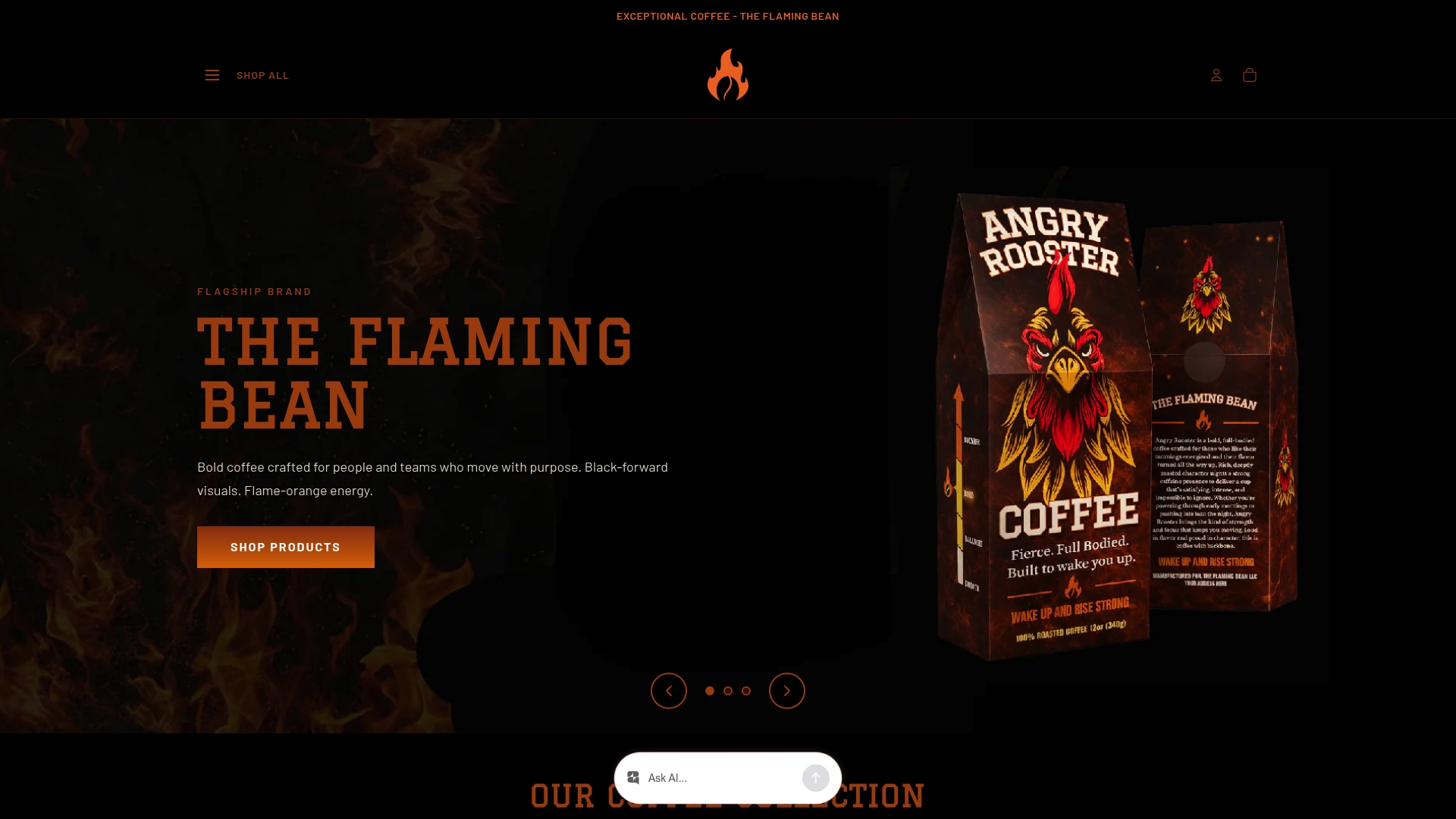
Start with our Evening Roast, a smooth and approachable blend that has become a favorite for community gatherings and quiet evenings alike. If you want to go bolder, our Angry Rooster delivers the kind of intensity that gets people talking. We also offer wholesale options for brand builders who want to bring The Flaming Bean experience to their own customers. Whatever your next step looks like, we are here and we are glad you found us.
FAQ
What is the fastest way to grow a coffee brand community?
Consistent posting combined with daily engagement is the fastest organic growth method. A Brooklyn café reached 10,200 followers in 90 days using this approach without any paid advertising.
How does founder storytelling help a coffee brand?
Founder-narrated short-form video builds trust and reduces customer acquisition costs. Nguyen Coffee Supply cut their CAC by 39% after switching from agency content to raw founder video.
Why is DTC better than wholesale for community building?
DTC gives you a direct relationship with your customer, which creates the feedback loop that builds loyalty. Brands relying heavily on wholesale lose control of their story and their community connection.
How do i create a coffee brand story that resonates?
Start with your “why.” Explain why you source where you source, why your blends are named what they are, and what values drive your decisions. Specificity builds credibility and gives your audience something to share.
How can my community help improve my coffee products?
Use Instagram Stories polls and open questions to collect real-time feedback. Impulse Coffees used this method to introduce smaller sachet formats after community members asked for a lower-commitment entry point.
Comments