
Designers & Entrepreneurs: 30+ Coffee Booth Ideas Tested by a Roaster

Pick a clear visual theme first, then build a full-size mockup of your working side before you order a single panel. Nail those two steps and everything else gets easier: permits, menu, staffing, the whole thing. We put together a gallery of booth concepts plus the planning checklist that keeps a coffee booth legal, fast, and fun to run.
TL;DR:
- Clear mockup testing that mimics peak rush conditions is crucial to identify flow issues and avoid costly redesigns before construction.
- Permits requiring handwashing stations and food safety compliance must be secured early to prevent operational delays or shutdowns.
- A short, focused menu with trending drinks like cold brew and low-bitter options enhances speed, margins, and customer memorability.
- Consistent branding and photo-ready displays improve social sharing potential and encourage repeat sales, especially with signature blends and gift cards.
- Material choices and mobility options should match the booth’s travel frequency, with lightweight setups for costs savings and container conversions for maximum visibility.
Table of Contents
- Organized gallery: 30+ coffee booth ideas by theme with quick execution notes
- Layout, bar flow, and prototyping: how to mock up and test the working side
- Temporary permits and food-safety basics every booth must plan for
- Menu and service planning: what to sell and how to price for speed and margin
- Branding and visual merchandising to lift sales and social sharing
- Build materials, mobility options, and budget tiers
- One-page launch checklist: step-by-step planner from idea to first event
- Designer note from The Flaming Bean: an event coffee example and resources
- Customer experience: loyalty touches and quick-service tricks that keep lines moving
- What the gallery gets wrong, and what actually moves the needle
- How The Flaming Bean can help: event coffee, signature blends, and gift cards
- Sources
- FAQ
Organized gallery: 30+ coffee booth ideas by theme with quick execution notes
The fastest way to pick a direction is to sort ideas by format, not just by looks. Here’s a practical breakdown:
- Pop-up festival booths and modular tents. Great for weekend events: lightweight frames, fast teardown, and easy transport between markets.
- Small permanent kiosks and shopping-center counters. Fixed footprint, so plan your utility lines (power, water, drainage) before the lease is signed.
- Mobile cart and trailer builds. Best for roaming events, but check local permits since mobile units often face different rules than fixed booths.
- Shipping-container and converted venue kiosks. High-impact branding opportunity: the container itself becomes the sign.
- Photo-ready event and wedding coffee bars. Style for guest flow first, photos second. The Flaming Bean’s own wedding coffee bar guide covers layouts that serve 150 to 200 guests without a backup at the counter.
- Sustainability-first booths. Reusable cups, compost bins, and visible recycling stations tie directly into a trend consumers already expect.
- Minimalist high-efficiency counters. Stripped-down menu, one drink station, built for speed over spectacle.
Within each format, small theme choices change the whole feel:
- Industrial: raw wood, exposed steel, pendant bulbs.
- Coastal: whitewashed panels, rope accents, light blue signage.
- Botanical: hanging greenery, terracotta accents, warm wood tones.
- Retro diner: checkerboard flooring, neon-style signage, chrome trim.
- Scandinavian minimalist: white and birch, clean typography, no clutter.
Choose one theme and stick with it across signage, cups, and uniforms. A booth that tries to be rustic and futuristic at once reads as unplanned, even when the coffee is great.
Layout, bar flow, and prototyping: how to mock up and test the working side
Before you build anything permanent, mock it up. Practitioners in the specialty coffee world, including designer Jon Allen, recommend taping out or building full-scale cardboard templates and physically walking the workflow before cutting real materials. It catches plumbing and cabinetry mistakes while they’re still cheap to fix.
A few specifics worth locking in early:
- A counter height within a moderate range keeps most baristas comfortable during long shifts, and partnering with healthy catering in the Bay Area & Sacramento can elevate your menu planning and event food pairings.
- Anti-fatigue mats under the bar reduce strain on concrete or asphalt pads.
- Flow should run grinder, then espresso machine, then pitcher rinser, then pickup, so no one crosses paths mid-order.
- Pickup and payment stations stay separate from the brewing zone to avoid bottlenecks.
Pro Tip: Time a mock three-minute rush with two staff members walking the taped-out layout. If they collide or backtrack, the design needs another pass before you build.
Temporary permits and food-safety basics every booth must plan for
Every temporary coffee booth needs a handwashing station that typically means a 5-gallon or larger insulated container with a locking spigot, gravity flow, soap, and paper towels, plus a way to contain wastewater on site.
National guidance also treats beverages, including coffee, as food under temporary food-event rules, which means some venues require a Certified Food Protection Manager on staff or present during service.
Other essentials to confirm before opening day:
- Sourcing comes from an approved commissary kitchen, not a home setup.
- Sampling rules vary by venue and may require separate approval.
- Multi-day events usually require a dishwashing plan beyond basic rinsing.
Menu and service planning: what to sell and how to price for speed and margin
Keep the core menu short: a few espresso drinks, cold brew, and one trending item that gives the booth a reason to be remembered. Cold brew and other refreshing, low-bitter drinks are a strong consumer trend heading into 2026, and a seasonal pick like a hot-honey latte gives regulars something new to try.
Margin comes from more than the cup:
- Retail bags of beans sell well next to the register when priced clearly.
- Gift cards move fast as impulse add-ons, especially near holidays.
- Pastry pairings lift the average ticket with almost no extra prep time.
- Batch-brewing and pre-portioned syrups keep rush-hour lines moving without sacrificing consistency.
Branding and visual merchandising to lift sales and social sharing
Shape-based architecture and scenario displays turn a booth into a photo op and a sales tool at once. Pairing a bag of beans with a matching mug or pastry on an open shelf nudges a browsing customer toward a second purchase.
A few merchandising basics that pull their weight:
- Warm, directional lighting on the menu board and retail shelf, not just overhead.
- A clear signage hierarchy: drink names first, prices second, descriptions last.
- A backdrop simple enough to photograph well in a phone camera’s auto mode.
Pro Tip: Feature one signature bag and a coffee gift card right at the point of sale. Customers already reaching for their wallet are the easiest upsell of the day.
Build materials, mobility options, and budget tiers
Material choice depends on how often the booth travels. Lightweight plywood or laminate panels work well for a DIY build on a tight budget, while aluminum framing suits a modular booth that gets assembled and broken down repeatedly. Container conversions cost more but deliver branding that’s hard to miss from across a festival ground.
- Portable carts: lowest cost, limited to simpler menus, easiest to move.
- Trailers: moderate cost, built-in storage, and often their own water and power hookups.
- Modular plug-and-play booths: higher upfront cost, fastest repeat setup once built.
Get quotes from a local fabricator before locking in a material choice. Costs swing widely by region and finish level.
One-page launch checklist: step-by-step planner from idea to first event
- Confirm permits, commissary agreement, insurance, and event-specific approvals.
- Build your equipment list: espresso machine, grinder, water source, and backup power.
- Train staff on the bar-flow sequence and allergen labeling.
- Set a wastewater disposal plan before the first service day.
- Set up a photo-ready corner for social sharing.
- Double-check your coffee maker and grinder capacity against expected peak-hour volume.
- Keep a printed backup of permits and insurance on site, not just on a phone.
Designer note from The Flaming Bean: an event coffee example and resources
We’ve built event and wedding coffee bars where a signature blend becomes the centerpiece of the merchandising table, not an afterthought at the register. Our wedding coffee bar case study shows how that pairing works in practice.
- See custom branding examples for packaging direction.
- Review supplier checks before picking a roaster partner.
- Use an inventory workflow guide to avoid running out mid-event.
— Tony
Customer experience: loyalty touches and quick-service tricks that keep lines moving
A booth lives or dies on how fast the line moves and whether customers come back next weekend. Operators across the quick-service and coffee segments increasingly see on-premises experience as central to building repeat business, not just a nice extra.
A simple punch card or digital loyalty code printed right on the receipt gets more use than a full app most booths don’t have the budget to build. Keep the reward simple: a free drink after a set number of visits works better than a complicated tier system nobody remembers.
On the service side, small habits matter more than fancy equipment. Calling out drink names clearly, keeping a visible menu board so people decide before they reach the register, and having a second person ready to handle payment while the first pulls shots all shave seconds off every transaction. Those seconds add up fast during a festival rush.

A short, friendly interaction still counts for more than speed alone. A barista who remembers a regular’s order, even once, tends to turn a one-time festival customer into someone who looks for the booth again next year.
What the gallery gets wrong, and what actually moves the needle
Most coffee booth inspiration stops at the photo. A gorgeous counter with warm lighting and a hand-painted sign means nothing if the barista has to cross behind a coworker every third order. The visual theme gets all the attention online, but the layout decides whether the booth survives a Saturday rush.

The conventional advice treats permits and plumbing as paperwork to handle later. That’s backward. A booth that fails its handwashing inspection on morning one loses more revenue than a booth with plain signage ever would. Build the boring parts first: the mockup, the water plan, the commissary agreement. The theme can wait a week.
If you’re choosing where to spend your first planning hours, spend them walking a taped-out layout with a stopwatch, not scrolling mood boards. The booths that look effortless on social media usually got that way by testing the unglamorous parts until they disappeared.
— Tony
How The Flaming Bean can help: event coffee, signature blends, and gift cards
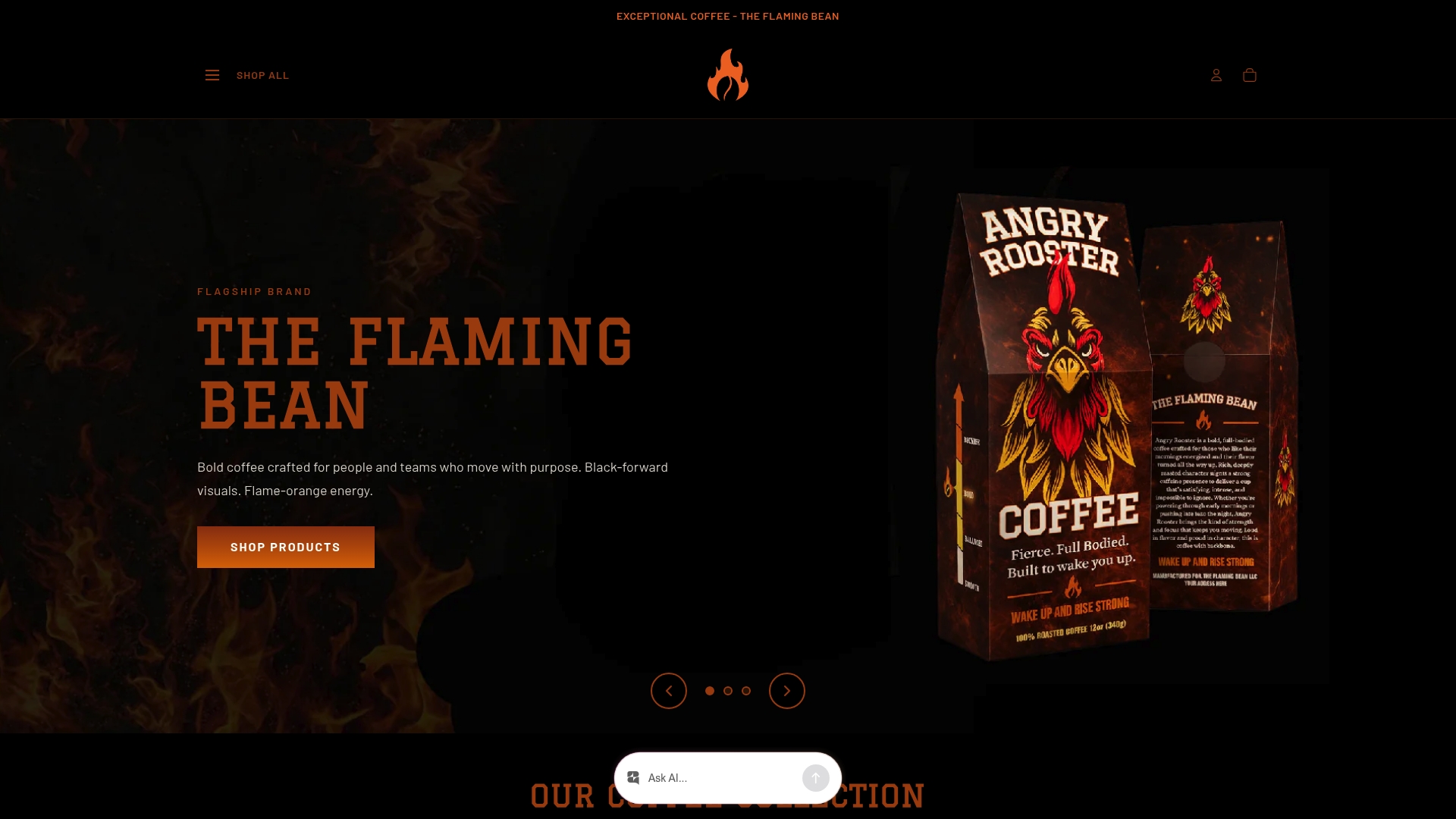
Running a booth means juggling permits, layout, and a menu all at once. We make the coffee part simple. The Flaming Bean roasts signature blends like Evening Roast, Angry Rooster, and Abyssal, each with its own character, so your booth has a drink people remember.
- Our mission-driven blend Safe Ground supports a cause while filling out your menu.
- The Flaming Bean Coffee Gift Card, priced from $10 to $100, sells well right at the point of pickup.
- Browse our full lineup of core roasts to find the blend that fits your booth’s personality.
Reach out through our site if you want to talk event coffee for your next build.
Sources
- Go With the Flow: How to Provide the Best Café Experience Through Intentional Design - Barista Magazine Online
- Temporary Food Establishment: Guidelines and fee schedules - King County
- Temporary Food Event VENDOR PERMIT APPLICATION GUIDANCE - NPS (2025)
- National Restaurant Association: What’s Hot Culinary Forecast 2025
- State of the Restaurant Industry 2025 - Kiosk Industry
FAQ
What are some creative ideas for a coffee station?
Pop-up tents, converted shipping containers, and themed carts (industrial, botanical, retro diner) all work well, depending on your budget and mobility needs. Pick one visual theme and apply it consistently across signage, cups, and staff uniforms.
What sells well in a coffee shop?
Espresso drinks and cold brew remain reliable sellers, and cold brew in particular is a strong current trend. Retail bags, gift cards, and pastry pairings add margin beyond the drink itself.
What are some creative ideas for a coffee workshop?
A coffee workshop booth works well with a tasting-style layout: small sample pours, a visible brewing demonstration, and a simple take-home bag so attendees leave with something. Keep the station compact so guests can gather around without crowding the service side.
How do I start a coffee booth?
Start by confirming your permit requirements and commissary agreement, since most jurisdictions treat beverages as food under temporary food event rules. From there, build a full-scale mockup of your bar layout before finalizing your equipment and menu.
Comments