
What Does Bold Coffee Mean? Flavor and Brewing Guide

Bold coffee is defined as a cup with an intense, rich flavor profile and a fuller body, typically produced through darker roasting and specific brewing techniques. If you’ve ever grabbed a bag labeled “bold” at the grocery store and wondered what that actually promises, you’re not alone. What does bold coffee mean in practical terms? It means more flavor intensity, a heavier mouthfeel, and lower acidity. It does not automatically mean more caffeine or a burnt taste. Understanding this distinction changes how you shop, brew, and enjoy every cup.
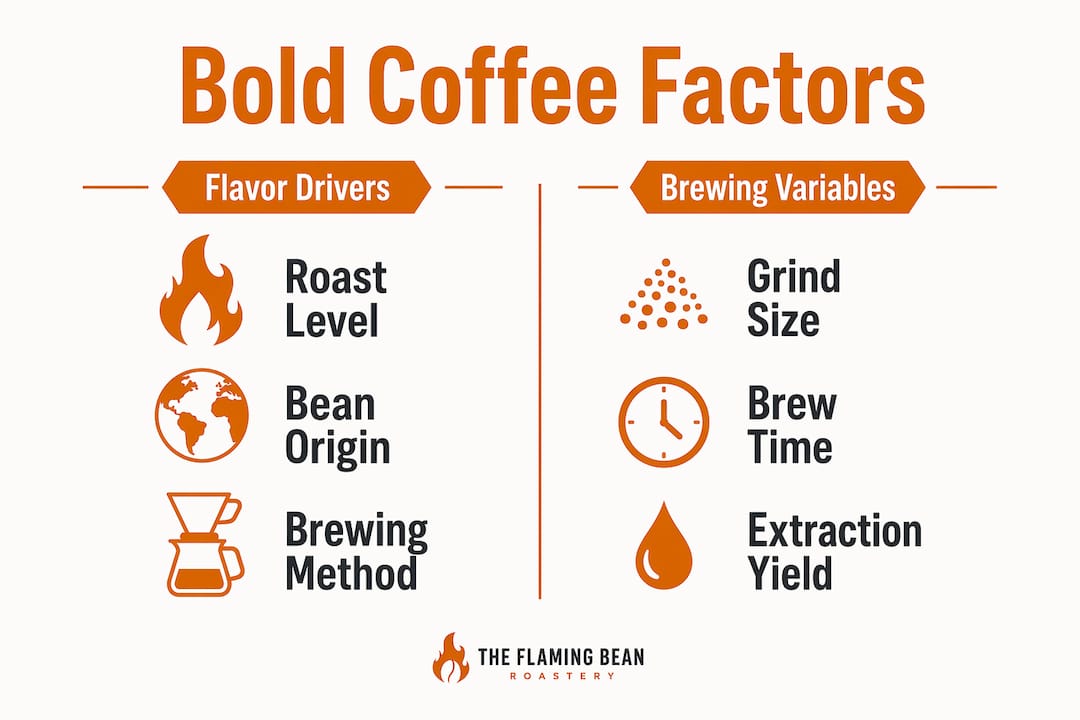
What does bold coffee mean for your flavor experience?
Bold coffee is defined by an intense and complex flavor profile, often with a fuller body and lower acidity. That means you get a cup that feels substantial on your palate, with flavors that linger rather than fade quickly. Think deep chocolate, roasted nuts, or earthy undertones rather than the bright, fruity notes you find in lighter roasts.
The industry term you’ll see used by professionals is “flavor intensity,” a concept the Specialty Coffee Association uses when evaluating brewed coffee quality. Bold is the consumer-friendly version of that idea. Both terms point to the same thing: how powerfully the coffee’s character comes through in the cup.
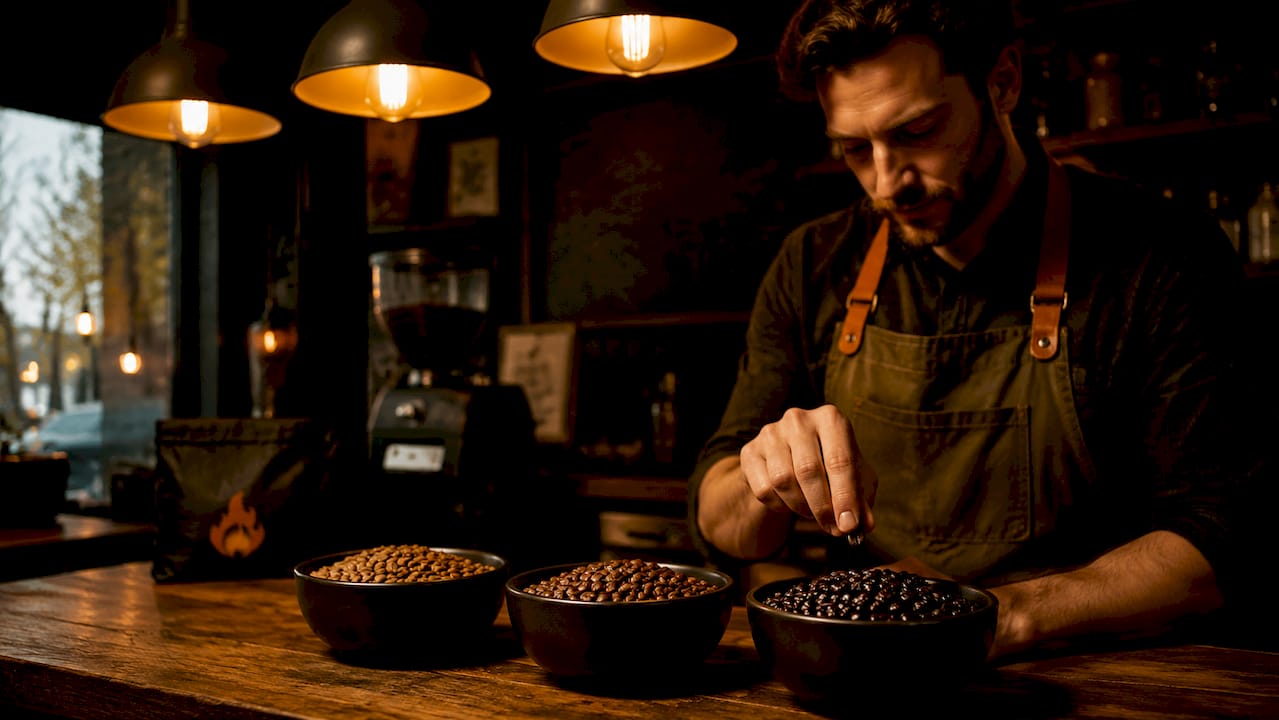
Bold coffee flavor is not the same as bitterness. A well-crafted bold cup delivers depth without harshness. That balance is what separates a great bold roast from an over-extracted, unpleasant brew.
What factors create a bold coffee flavor profile?
Several variables work together to produce boldness. Roast level is the most visible factor, but it is far from the only one.
Roast level and its role
Dark roasts develop after the second crack in the roasting process, producing smoky, bitter, and sometimes caramelized flavors. These are the roasts most people picture when they think bold. Roasting past the second crack, however, results in overcooked beans that lose desirable flavor complexity. The sweet spot for bold flavor sits just at or slightly past that second crack, where intensity peaks without tipping into burnt territory.
Medium roasts can also be bold. Bean origin and brewing methods play a large enough role that a well-sourced medium roast from a high-altitude region can deliver more flavor intensity than a poorly sourced dark roast. This surprises a lot of coffee drinkers.
Bean origin and terroir
Origin matters enormously. Beans from regions like Sumatra, Ethiopia, and Guatemala carry naturally bold characteristics due to soil composition, altitude, and processing methods. Sumatran beans, for example, are famous for their earthy, full-bodied profile that reads as bold even at medium roast levels. Ethiopian beans bring a different kind of boldness: deep fruit and floral intensity that hits hard on the palate.
Brewing variables that shape boldness
Your brewing choices can amplify or mute the boldness already present in the bean. Three variables matter most:
- Coffee-to-water ratio: A tighter ratio means more coffee per ounce of water, which increases flavor concentration. A ratio of 1:12 to 1:15 produces a noticeably bolder cup than the standard 1:18 ratio.
- Water temperature: Brewing between 195°F and 205°F extracts flavor compounds efficiently. Water below 195°F under-extracts and produces a flat, weak cup.
- Grind size: A finer grind increases surface area and extraction speed. Paired with the right brew time, it deepens flavor intensity without adding bitterness.
Pro Tip: Keep your extraction yield below 22% to maximize boldness while avoiding bitterness. The Specialty Coffee Association identifies this threshold as the point where desirable flavor compounds peak before harsh ones take over.
How is bold coffee different from strong and dark roast coffee?
These three terms get mixed up constantly, and the confusion is understandable. They overlap in some ways but describe different things.
Bold refers to flavor intensity and body, not coffee concentration. Strong refers to the amount of dissolved coffee solids in your cup, measured as Total Dissolved Solids (TDS). A high-TDS brew is concentrated and potent. It may or may not taste bold depending on the beans used. Espresso, for example, has a very high TDS. That makes it strong by definition. Whether it tastes bold depends on the roast and origin of the beans.
Dark roast describes the roasting level applied to the bean. It is a production term, not a flavor guarantee. A dark roast will typically produce bold flavor, but roasting too dark destroys the nuanced compounds that make boldness interesting. The result is a flat, bitter cup rather than a rich, complex one.
Here is how the three terms compare:
| Term | What it measures | Flavor result | Caffeine level |
|---|---|---|---|
| Bold | Flavor intensity and body | Rich, deep, full-bodied | Not necessarily higher |
| Strong | Coffee concentration (TDS) | Potent, concentrated | Higher with more coffee |
| Dark roast | Roasting level | Smoky, bitter, low acidity | Slightly lower than light roast |
Light roasts can have more caffeine than dark roasts despite their lighter flavor. The roasting process reduces caffeine slightly as heat breaks down the compound over time. This means a bold dark roast is not your best choice if caffeine content is the primary goal.
How to brew bold coffee at home
Getting a bold cup at home is straightforward once you control the right variables. Follow these steps for any standard drip or manual brew method:
- Start with the right ratio. Use a 1:12 to 1:15 coffee-to-water ratio for a noticeably bolder result. That means roughly 1 gram of coffee for every 12–15 grams of water.
- Set your water temperature. Brew between 195°F and 205°F. Most standard drip machines fall short of this range, which is one reason home-brewed coffee often tastes weaker than café coffee.
- Grind fresh and grind appropriately. Use a medium-fine grind for drip and AeroPress. Use a coarser grind for French press to avoid over-extraction during the longer steep time.
- Choose your brewing method intentionally. AeroPress yields a dark, smooth, rich cup with low bitterness, making it one of the best tools for bold coffee at home. French press produces a smooth but less intense result due to its longer brew time and metal filter. Drip machines offer convenience but require a quality machine that reaches proper brew temperature.
- Bloom your grounds. Pour a small amount of hot water over the grounds and wait 30 seconds before completing the brew. This releases trapped CO2 and allows water to extract flavor evenly.
Pro Tip: If your bold cup tastes bitter rather than rich, reduce your brew time or coarsen your grind slightly. Bitterness signals over-extraction, not boldness. The goal is depth, not harshness.
Choosing coffee beans and blends for bold flavor
The bean you choose sets the ceiling for how bold your cup can be. Brewing technique can get you close to that ceiling, but it cannot exceed it.
Here is what to look for when selecting beans for a bold experience:
- Origin: Sumatra, Guatemala, and Brazil produce beans with naturally full-bodied, low-acidity profiles that read as bold. Ethiopian and Kenyan beans offer a different kind of boldness through intense fruit and floral complexity.
- Roast level: Dark roasts are the obvious choice, but medium-dark roasts often deliver more nuanced boldness. They retain more of the bean’s original character while still producing the body and intensity you want.
- Blends vs. single-origin: Blends are often crafted specifically to achieve a consistent bold flavor profile across batches. Single-origin beans offer boldness tied to a specific terroir, which can be more exciting but less predictable.
- Freshness: Coffee loses volatile flavor compounds quickly after roasting. Beans older than four weeks produce a noticeably flatter cup. Buy fresh and store in an airtight container away from light and heat.
The Flaming Bean takes this seriously. Blends like Angry Rooster are built for drinkers who want full-on intensity, while the Evening Roast shows how a medium roast can achieve genuine boldness through careful bean selection. The Flaming Bean’s bold coffee selections cover the full range from adventurous dark blends to approachable medium roasts with serious flavor depth.
Key takeaways
Bold coffee is defined by flavor intensity and body, not by caffeine content or roast level alone. Brewing method, bean origin, and coffee-to-water ratio all shape how bold a cup tastes.
| Point | Details |
|---|---|
| Bold means flavor intensity | Bold describes a rich, full-bodied flavor profile, not coffee concentration or caffeine level. |
| Dark roast is not required | Medium roasts from bold-origin beans like Sumatra can match or exceed dark roast intensity. |
| Ratio drives boldness | A 1:12 to 1:15 coffee-to-water ratio produces a noticeably bolder cup than the standard 1:18. |
| Bitterness is not boldness | Over-extraction causes bitterness; true boldness comes from proper extraction within the 22% yield threshold. |
| Freshness matters | Beans older than four weeks lose the volatile compounds that make bold flavor vivid and complex. |
Why I stopped chasing dark roasts for boldness
I spent years assuming the darkest roast on the shelf was the boldest cup in the bag. That assumption cost me a lot of good coffee. The real lesson came when I brewed a medium-roast Sumatran bean at a tighter ratio and hit a flavor wall I had never experienced from any dark roast. It was earthy, full, and complex in a way that a heavily roasted bean simply cannot deliver because the roasting process burns off the very compounds that create that depth.
The other thing most articles skip: brewing method changes the character of boldness, not just the intensity. An AeroPress and a French press using the same beans and the same ratio will produce two very different bold experiences. The AeroPress gives you clarity and punch. The French press gives you texture and warmth. Neither is wrong. They are just different expressions of the same bold potential in the bean.
My honest advice is to choose your roast level based on the flavor character you want, not just the color of the bag. Then dial in your ratio and temperature. That combination will get you further than any single-variable change. The Flaming Bean’s lineup is a great place to experiment because the roasts are clearly profiled and consistently fresh.
— Tony
The Flaming Bean’s bold coffee lineup is worth exploring
If you want to put these ideas into practice, The Flaming Bean has a dedicated bold coffee page that makes it easy to find the right roast for your taste.
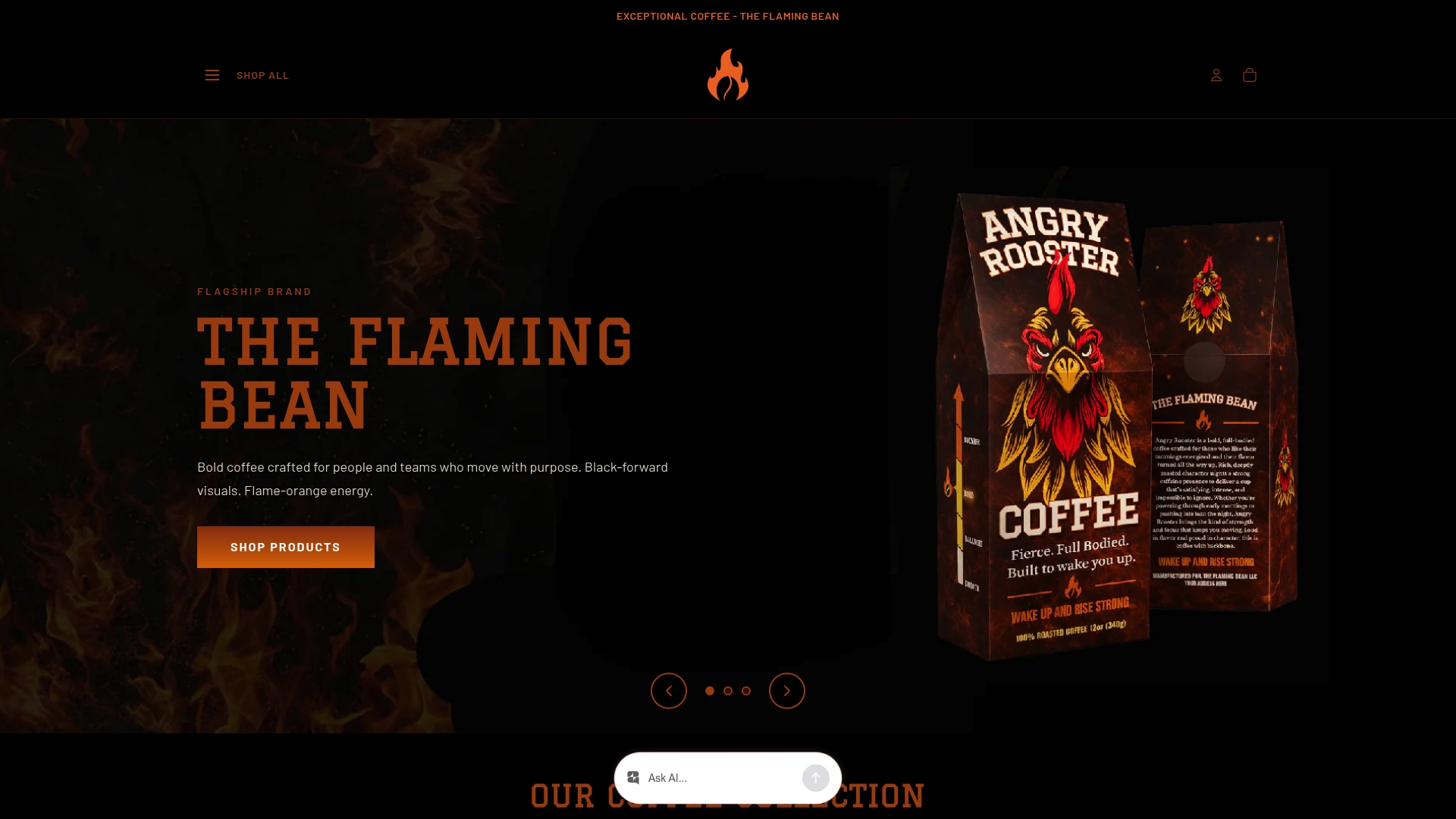
The Flaming Bean’s signature blends include options across the boldness spectrum, from the intense Angry Rooster to the approachable Evening Roast. Pair any of these with the right equipment from The Flaming Bean’s coffee makers collection and a quality burr grinder from the coffee grinders collection to get the most out of every bean. Great bold coffee starts with great ingredients and the right tools to brew them properly.
FAQ
What does bold mean on a coffee bag?
Bold on a coffee bag indicates a high-flavor-intensity roast with a fuller body and lower acidity. It is a flavor descriptor, not a measure of caffeine or brewing concentration.
Does bold coffee have more caffeine?
Bold coffee does not necessarily have more caffeine. Light roasts can actually contain slightly more caffeine than dark roasts because the roasting process reduces caffeine content over time.
What is the difference between bold and strong coffee?
Bold describes flavor intensity and body. Strong describes coffee concentration, measured as Total Dissolved Solids (TDS). A cup can be strong without being bold, and bold without being highly concentrated.
What does bold roast mean compared to dark roast?
Bold roast is a flavor goal. Dark roast is a production method. Dark roasting typically produces bold flavor, but roasting too dark destroys complexity and results in bitterness rather than true boldness.
How do I brew bold coffee without bitterness?
Use a 1:12 to 1:15 coffee-to-water ratio, brew at 195°F to 205°F, and keep your extraction yield below 22%. If bitterness appears, coarsen your grind or shorten your brew time slightly.
Comments