
Types of Coffee Roast Partnerships: A Pro Guide

Types of coffee roast partnerships are defined as strategic sourcing and branding agreements between roasters and buyers that govern how coffee is produced, labeled, and supplied. The Specialty Coffee Association recognizes these arrangements as central to how roasteries build revenue, with optimal commercial roastery revenue sitting at roughly 70% B2B channels and 30% retail. Understanding the main models, including white-label, equipment-for-coffee, and flexible wholesale, helps coffee professionals choose the right structure for their business size, brand goals, and cash flow needs.
1. What are the types of coffee roast partnerships?
Coffee roasting collaborations fall into three core models: white-label, equipment-for-coffee loan agreements, and flexible wholesale. Each one distributes risk, cost, and brand control differently. Choosing the wrong model for your stage of growth is one of the most common and costly mistakes in the industry. Knowing what each model requires upfront saves you from locking into terms that hurt margins or limit your sourcing freedom later.
2. White-label coffee roast partnerships
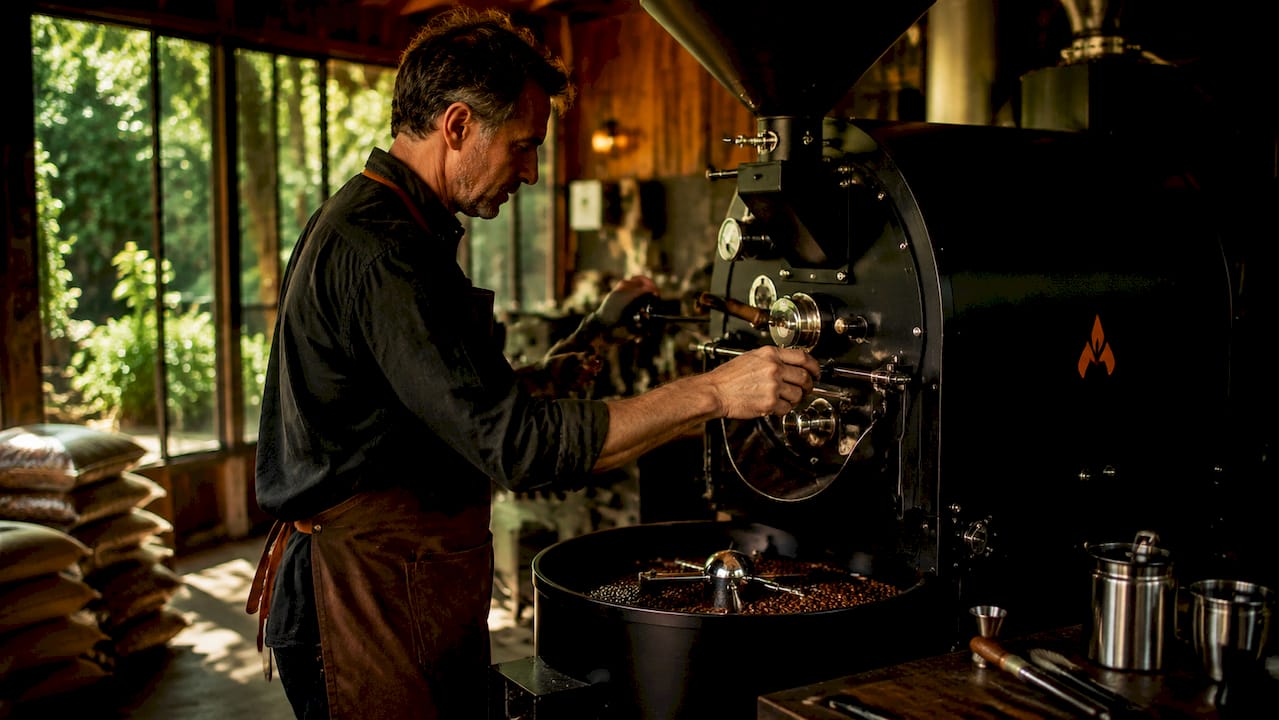
White-label roasting is the most common B2B arrangement in the specialty coffee world. A roaster produces and packages coffee under your brand, not theirs. You get a finished product ready for retail or foodservice without building your own roasting infrastructure.
White-label contracts typically require volumes of 20kg per week or more, along with longer-term agreements. That volume threshold exists because roasters need to justify the setup costs for custom packaging and dedicated production runs. Smaller operations that cannot hit those numbers usually fall back on simple per-kilo wholesale models.
Key features of white-label partnerships:
- Volume floor: 20kg per week minimum is standard; some specialty roasters set higher thresholds
- Contract length: Typically 12–24 months with renewal options
- Exclusivity: Some roasters require category exclusivity within a region
- Branding control: You own the label; the roaster stays invisible
- Margin trade-off: High volume but lower per-unit margins compared to retail
Pro Tip: Negotiate a blend-lock clause so your roaster cannot supply the same profile to a competitor under a different label. This protects your product differentiation without requiring full exclusivity.
White-label works best for grocery brands, foodservice operators, and fast-growing cafes that need consistent volume and want their own brand on the bag. The co-branding considerations involved in these deals are worth reviewing before you sign, because label ownership and recipe rights vary by contract.
3. How equipment-for-coffee loan agreements work
Equipment-for-coffee agreements are a distinct partnership model where a roaster supplies espresso machines or brewing equipment at no upfront cost. In return, the cafe commits to purchasing all coffee exclusively from that roaster for a fixed term. The equipment loan is the incentive; the exclusivity is the price.
These agreements typically run 2–5 years and reduce capital expenditure significantly for new or expanding cafes. A cafe that would otherwise spend $8,000–$15,000 on commercial espresso equipment can redirect that capital to fit-out, staffing, or marketing. The trade-off is a long-term supply commitment that limits your ability to switch roasters if quality drops or prices rise.
What to watch for in equipment-for-coffee deals:
- Contract duration: 2–5 years is standard; shorter terms usually mean smaller equipment
- Exclusivity scope: Covers all coffee, including filter and batch brew, not just espresso
- Equipment ownership: Machines typically remain the roaster’s property throughout the term
- Exit clauses: Early termination often triggers a buyout fee based on remaining contract value
- Price lock: Confirm whether per-kilo pricing is fixed or subject to annual increases
Pro Tip: Request a service-level agreement covering equipment maintenance response times. A broken espresso machine with no repair timeline is a revenue crisis, not just an inconvenience.
This model suits cafes in their first two years of operation or those opening a second location without the capital to duplicate equipment purchases. Working with a coffee roaster remotely under this model is possible, but equipment servicing logistics become more complex the farther you are from the roaster’s base.
4. What flexible wholesale coffee partnerships look like
Flexible wholesale is the most accessible entry point into partnerships in coffee roasting. There are no binding contracts, no exclusivity requirements, and no minimum term commitments. Pricing is tiered based on volume, so the more you buy, the lower your per-kilo cost.
Flexible wholesale models feature tiered pricing that rewards growth without locking buyers in. That structure gives smaller or early-stage operations the freedom to test multiple roasters, adjust their blend mix, and switch suppliers without penalty. The sourcing agility this provides is genuinely valuable when you are still figuring out what your customers want.
| Feature | Flexible wholesale | White-label | Equipment-for-coffee |
|---|---|---|---|
| Minimum volume | Low or none | 20kg/week+ | Tied to equipment value |
| Contract required | No | Yes (12–24 months) | Yes (2–5 years) |
| Exclusivity | No | Sometimes | Yes |
| Brand control | Roaster’s brand | Your brand | Your brand |
| Capital requirement | Low | Low to medium | Very low |
Flexible wholesale fits cafes in their first year, pop-up operators, and specialty retailers who want to rotate single-origin offerings seasonally. The downside is that you pay more per kilo at lower volumes, and you have less influence over blend development or custom roast profiles.
5. Common contract considerations across coffee roast partnerships
Every partnership model carries contract terms that affect your margins, your brand, and your operational freedom. Understanding these terms before you sign is not optional. Wholesale coffee prices vary widely: large national wholesalers charge $14–$20/kg, specialty micro-roasters charge $18–$32/kg, and direct importers range from $16–$34/kg. That spread means your partnership model directly determines your cost base.
Client concentration risk is a real concern on both sides of the table. Roasteries that let a single channel exceed 45% of revenue become vulnerable to market shifts. Buyers who rely on a single roaster face the same fragility. Diversifying across two or three partnership types protects both parties.
Key contract elements to review in any coffee roasting collaboration:
- Minimum order quantities: Confirm monthly, not just weekly, to account for seasonal dips
- Blend ownership: Clarify who owns the recipe if the partnership ends
- Price adjustment clauses: Understand how green coffee price fluctuations pass through to you
- Payment terms: Net 30 is standard; some specialty roasters require prepayment for custom runs
- Supply chain guarantees: Ask about backup sourcing if a specific origin fails
Pro Tip: Ask for a sample supply chain map showing where your green coffee originates. Roasters with direct trade relationships or documented sourcing partners are far less likely to substitute origins without notice.
Direct trade and branded partnerships often include custom blends, marketing support, and barista training. These value-added elements are worth quantifying in dollar terms before comparing pricing across roasters, because a $2/kg premium that includes quarterly training and co-branded marketing materials can easily pay for itself.
6. When and how to choose the right coffee roast partnership
The right partnership model depends on where your business is right now, not where you plan to be in three years. A cafe opening its first location has different priorities than a regional chain negotiating its fifth wholesale contract.
Start roaster partnership discussions 3–6 months before you actually need the supply. That lead time lets you assess roasting capabilities, align production schedules with your inventory needs, and negotiate from a position of calm rather than crisis. Rushed switches during supply shortages risk both quality and availability.
Situations that favor each model:
- White-label: You are scaling fast, need consistent volume, and want your brand on the bag without building roasting infrastructure
- Equipment-for-coffee: You are opening a new location and need to preserve capital; you are comfortable with a 2–5 year supply commitment
- Flexible wholesale: You are in your first year, still testing blends, or running a seasonal or pop-up operation
Aligning your partnership terms with your cash flow cycle matters more than most buyers realize. A net-30 payment term on a white-label contract with a 20kg/week minimum means you are committing to roughly $1,400–$2,500 in monthly coffee spend before a single bag sells. Model that against your revenue projections before signing.
The Flaming Bean wholesale program is one example of a partnership structure that accommodates different volume levels and blend customization needs, which is worth benchmarking against other options as you evaluate your choices.
Key takeaways
The most effective coffee roast partnership is the one that matches your current volume, capital position, and brand control needs, not the one with the lowest per-kilo price.
| Point | Details |
|---|---|
| White-label requires volume | Expect a 20kg/week minimum and a 12–24 month contract before a roaster will brand for you. |
| Equipment deals lock you in | A 2–5 year exclusivity commitment is the real cost of “free” espresso equipment. |
| Flexible wholesale fits early stages | No contracts and tiered pricing make this the safest starting point for new operations. |
| Start negotiations early | Begin roaster discussions 3–6 months before you need supply to avoid rushed, costly switches. |
| Diversify to manage risk | No single supply channel should exceed 45% of your coffee revenue or sourcing volume. |
What I’ve learned about picking the right roasting partner
The biggest mistake I see coffee professionals make is treating roaster selection as a procurement decision rather than a business relationship. You are not just buying coffee. You are choosing a production partner whose capacity constraints, sourcing relationships, and quality standards will shape your product for years.
The timing advice about starting negotiations 3–6 months early sounds obvious until you watch a cafe scramble to replace a roaster mid-season because a key origin failed. Early conversations give you the leverage to negotiate blend ownership, price stability, and exit terms. Late conversations give you whatever the roaster has available.
My honest take on equipment-for-coffee deals: they are genuinely useful for capital-constrained openings, but read the exit clause before anything else. I have seen operators locked into a four-year contract with a roaster whose quality declined in year two, and the buyout cost made switching prohibitive. The equipment was never really free.
Flexible wholesale gets underrated by operators who are chasing lower per-kilo costs. The sourcing freedom it provides is worth a premium in the early stages. You learn what your customers actually want before you commit to a blend profile for two years. That knowledge is worth more than the discount you would get from signing a white-label contract too early.
The signature blends approach that The Flaming Bean takes, building distinct profiles with clear sourcing stories, is a model worth studying whether you are a buyer or a roaster. It shows how brand differentiation and partnership depth can coexist without requiring massive volume commitments.
— Tony
The Flaming Bean’s approach to coffee roast partnerships
The Flaming Bean works with partners at different stages of growth, from cafes testing their first wholesale order to operators ready for custom blend development and co-branded packaging.
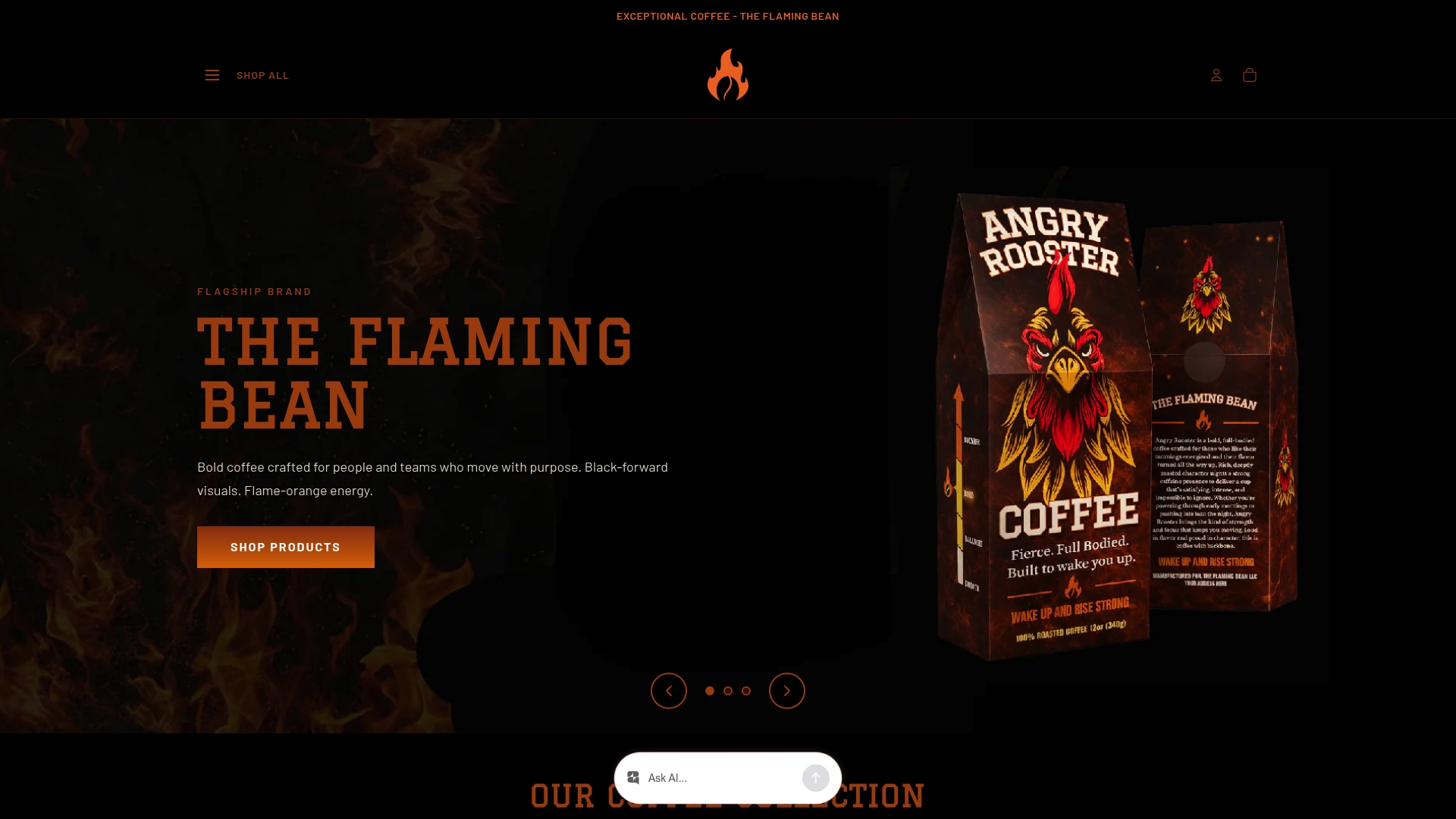
Whether you are exploring flexible wholesale pricing, looking for a roaster who can build a signature blend around your brand, or simply want to understand what a real partnership looks like before committing, The Flaming Bean is worth a conversation. The wholesale program covers volume tiers, blend customization, and branding support without requiring you to overcommit upfront. And if you want to see what purposeful, well-crafted coffee looks like in practice, the Safe Ground blend is a good place to start.
FAQ
What is a white-label coffee roast partnership?
A white-label partnership is when a roaster produces and packages coffee under your brand. It typically requires a minimum of 20kg per week and a contract of 12–24 months.
How long do equipment-for-coffee agreements last?
Equipment-for-coffee agreements typically run 2–5 years. The roaster supplies espresso machines in exchange for exclusive coffee purchasing rights throughout that term.
When should I switch coffee roasting partners?
Start the process 3–6 months before you need the change. Switching during a supply crisis risks quality drops and availability gaps that hurt your business.
What is the difference between flexible wholesale and white-label?
Flexible wholesale has no contracts, no exclusivity, and tiered pricing based on volume. White-label requires higher volume commitments, longer contracts, and delivers coffee under your own brand.
How do I manage supply risk across coffee roast partnerships?
Diversify across partnership types so no single channel exceeds 45% of your sourcing volume. This protects you if a roaster faces capacity issues or an origin fails.
Recommended
- How to Work with a Coffee Roaster Remotely – The Flaming Bean Roastery
- How to Choose the Right Coffee Roast for Your Cup – The Flaming Bean Roastery
- Coffee Roast Levels Explained: Your Flavor Guide – The Flaming Bean Roastery
- How to Evaluate Coffee Roaster Quality Like a Pro – The Flaming Bean Roastery
Comments