
Why Churches Sell Branded Coffee: Community and Mission

Why churches sell branded coffee comes down to three things
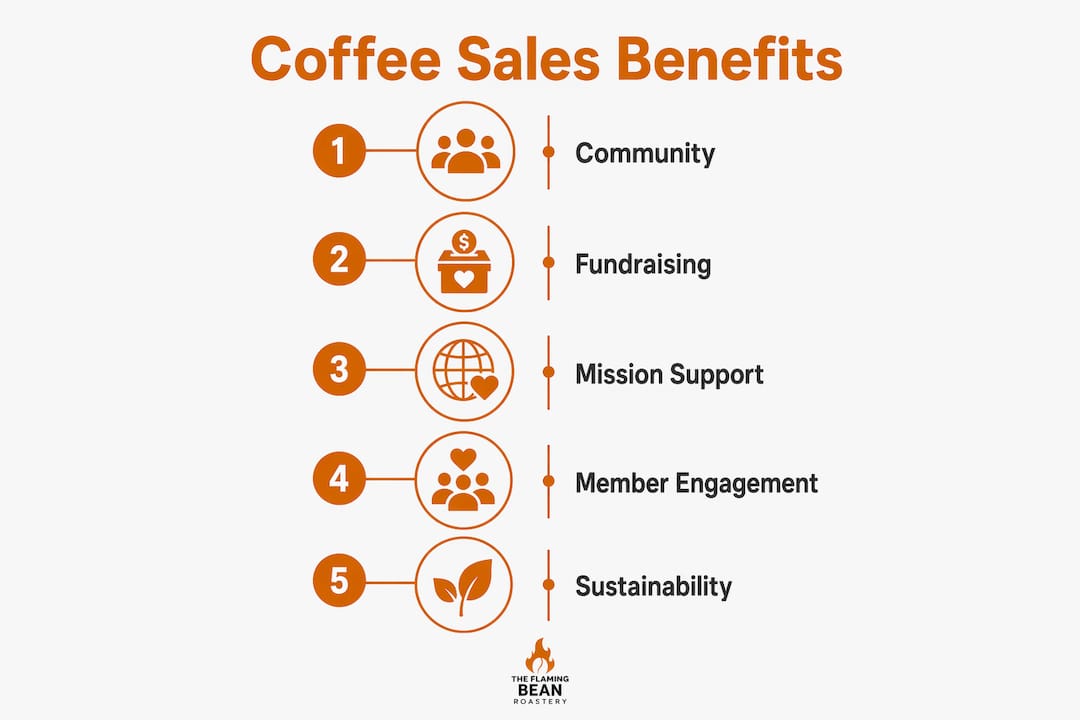
Fellowship, fundraising, and faith in action. Across the United States, churches are choosing branded coffee not as a commercial side project but as a purposeful extension of their mission. It works because coffee is already part of how people gather, and the church’s trusted name turns a simple cup into something members actually want to buy.
Here is what drives church coffee programs:
- Fellowship first. 100% of surveyed church café operators cited fellowship as their primary motivation, and 93% said coffee programs help attract younger demographics.
- Hospitality as ministry. A warm, welcoming café space signals that everyone belongs, long before the service starts.
- Sustainable fundraising. Coffee sales generate recurring revenue without the fatigue of one-off events or seasonal appeals.
- Mission endorsement. When a church puts its name on a product, members trust it. That trust translates directly into purchases.
- Younger member engagement. Coffee culture resonates with millennials and Gen Z in ways that traditional giving channels often do not.
Table of Contents
- How trust and branding make church coffee programs work
- How churches balance commerce and mission in coffee sales
- The Flaming Bean’s purpose-driven blends support church missions
- Practical benefits churches see from selling branded coffee
- The Flaming Bean is ready to fuel your church’s mission
- Key Takeaways
How trust and branding make church coffee programs work
The church’s reputation is its most powerful marketing asset. Research confirms that consumer purchasing is driven by trust, and when a congregation already believes in a church’s mission, that belief extends to the products it endorses. A branded coffee program borrows that credibility from day one.
Consistency is what keeps it. A congregation that loves the first bag will return for the second, but only if the quality holds. Inconsistent coffee damages more than sales; it chips away at the church’s broader public image.
Strong branding elements matter more than most leaders expect. Names like “He Brews” or visually distinct logos signal excellence and community care, creating a halo effect that reflects well on the entire organization. Ethical sourcing and fair-trade practices reinforce this further, aligning the product with values the congregation already holds.
- Named blends give members something to talk about and remember.
- Consistent packaging builds recognition across Sunday services, church events, and online sales.
- Ethical sourcing signals that the church’s values extend to how its coffee is grown and traded.
- Logo and visual identity on every bag turns each purchase into a small act of belonging.
Pro Tip: Pick one visual identity for your coffee program and apply it everywhere, from the bag label to the social media post to the table display. Brand consistency is what turns a one-time buyer into a repeat supporter.
How churches balance commerce and mission in coffee sales
Selling coffee inside a church raises a fair question: does commerce belong here? Church leaders who run successful programs answer it the same way. They frame coffee sales as stewardship and hospitality, not commercialization. The transaction is a relational platform, not just a revenue line.

The social impact angle is real. Church coffee ventures create jobs, including second-chance employment for people re-entering the workforce, and support fair wages in local communities. That is mission alignment you can taste.
Practical management matters too. Here is how churches keep the balance:
- Volunteer staffing keeps overhead low and keeps the program community-driven.
- Transparent profit allocation shows members exactly where the money goes, which builds trust and repeat purchases.
- Legal structure awareness is worth a conversation with a tax advisor. Unrelated business income rules under IRS guidelines can apply to church commercial activity, so knowing your exposure matters.
- Quality control requires someone to own it. A rotating volunteer crew without training produces inconsistent results.
- Mission storytelling at the point of sale, a small card explaining what the coffee funds, closes the loop between purchase and purpose.
The Flaming Bean’s purpose-driven blends support church missions
The Flaming Bean is built around exactly this model. Every blend carries a story, and several are designed specifically to support causes that align with what churches care about most.
- Evening Roast is a smooth, approachable blend that fits naturally into post-service hospitality and community gatherings.
- Safe Ground supports organizations working to protect vulnerable individuals, making every bag a direct contribution to safety and justice.
- Angry Rooster brings bold, high-energy flavor for congregations that want a coffee with personality and mission behind it.
The Flaming Bean’s purpose-driven coffee approach turns a recurring purchase into a recurring act of giving. Members do not have to think about donating separately. They just buy the coffee they already enjoy, and the mission gets funded.
Churches using subscription and reorder models generate predictable revenue without continuous promotion, replacing the exhausting cycle of seasonal fundraisers with something members actually look forward to. The Baptist Churches of New England demonstrated this directly by generating gross sales from artisanal coffee that support ministry.
Practical benefits churches see from selling branded coffee
The numbers make a compelling case. Church cafés selling specialty drinks priced between $3–$4 generate between $500 and $16,000 monthly for ministries, depending on volume. That is real money funding mission trips, building improvements, and community programs.
Beyond revenue, the practical benefits stack up:
- Reduced event fatigue. Recurring coffee sales replace the pressure of organizing constant fundraising events.
- Community space creation. A café corner or coffee table becomes a natural gathering point before and after services.
- Ministry funding. Proceeds flow directly to outreach programs, youth groups, and local community needs.
- Marketing reach. Custom QR codes and storytelling link each purchase to the church’s mission, extending reach through social media and email.
- Multicultural engagement. Coffee is a universal social ritual that welcomes people across cultural backgrounds.
- Repeat purchase behavior. Quality coffee brings people back multiple times, not just once.
One risk worth naming: launching without a reliable supply chain creates gaps that frustrate members and undermine trust. Partnering with a consistent roaster, and considering cold cups and proper serving supplies from the start, prevents the operational stumbles that derail new programs.
The Flaming Bean is ready to fuel your church’s mission
If your church is ready to turn coffee into community and fundraising into something sustainable, The Flaming Bean is a natural fit. We offer bold, mission-aligned blends that carry real stories, real causes, and real quality in every bag.
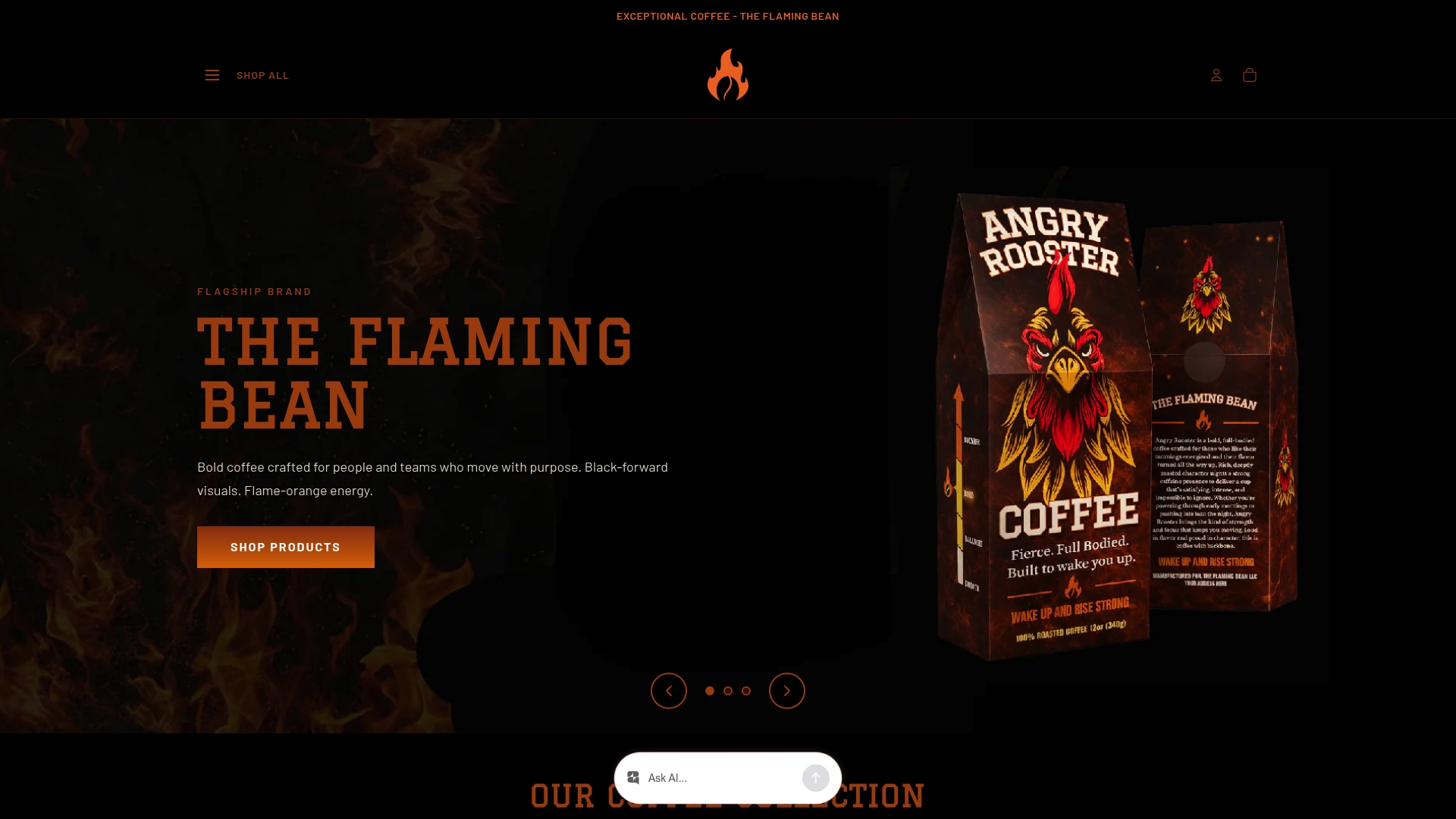
From the smooth comfort of Evening Roast to the bold purpose of Safe Ground, our signature blends are designed for churches that want their coffee to mean something. We make it easy to get started, whether you are selling at Sunday service, running an online store, or building a café space your congregation will love. Check out our wholesale program and find the blend that fits your mission.
Key Takeaways
Churches sell branded coffee because it builds community, generates reliable fundraising revenue, and extends their mission through a product members already trust and enjoy.
| Point | Details |
|---|---|
| Fellowship drives the decision | 100% of surveyed church café operators cited fellowship as their primary motivation for selling coffee. |
| Revenue is real and recurring | Church cafés generate between $500 and $16,000 monthly from specialty drink sales, funding ministries directly. |
| Trust transfers to the product | The church’s institutional credibility makes members more likely to buy and repeat-purchase branded coffee. |
| Commerce and mission can coexist | Framing coffee sales as stewardship, not commercialization, keeps programs aligned with church values. |
| The Flaming Bean fits this model | Purpose-driven blends like Safe Ground and Evening Roast support causes while delivering quality members return for. |
Comments